
Water Damage
Frequently Asked Questions
-
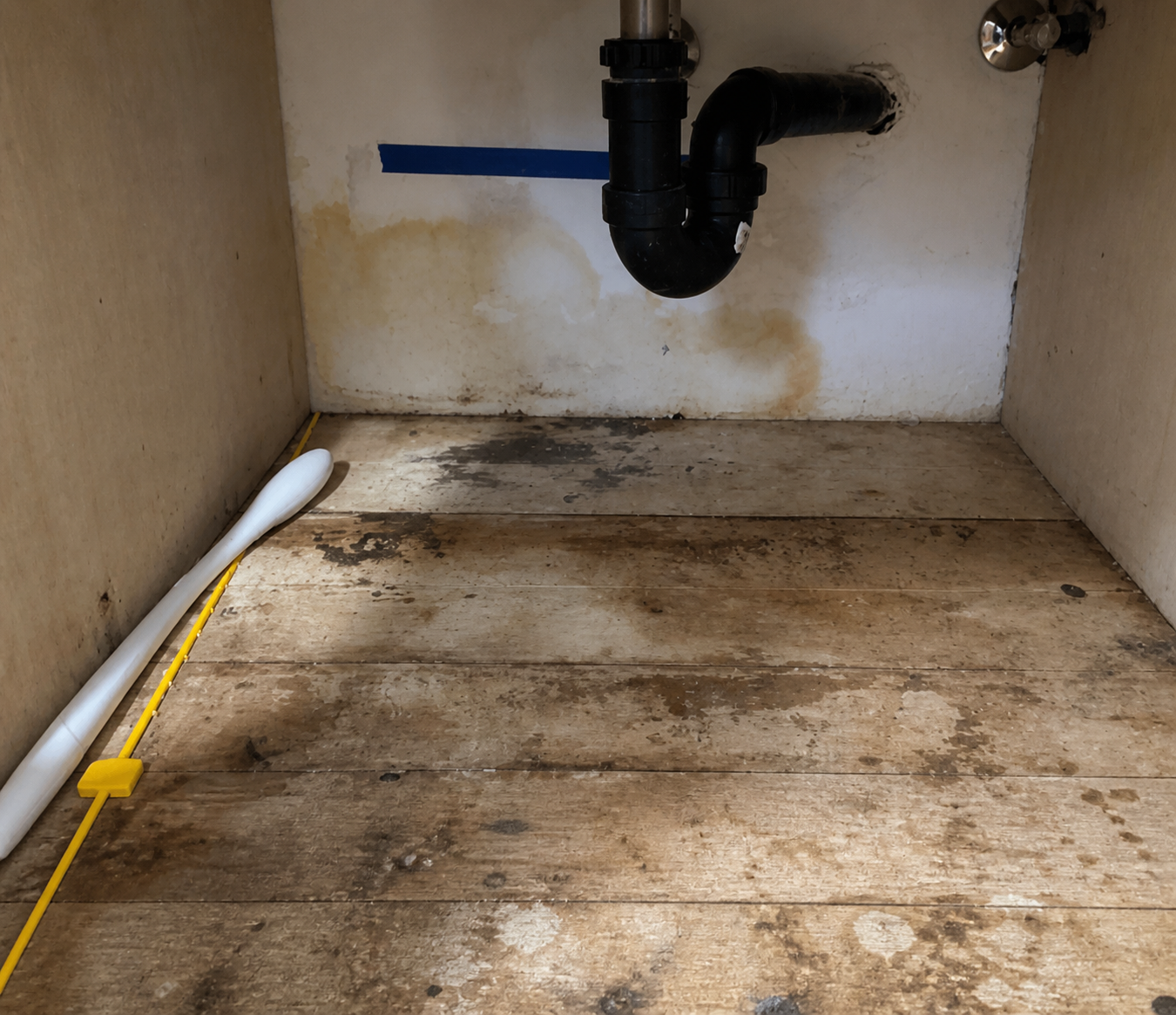
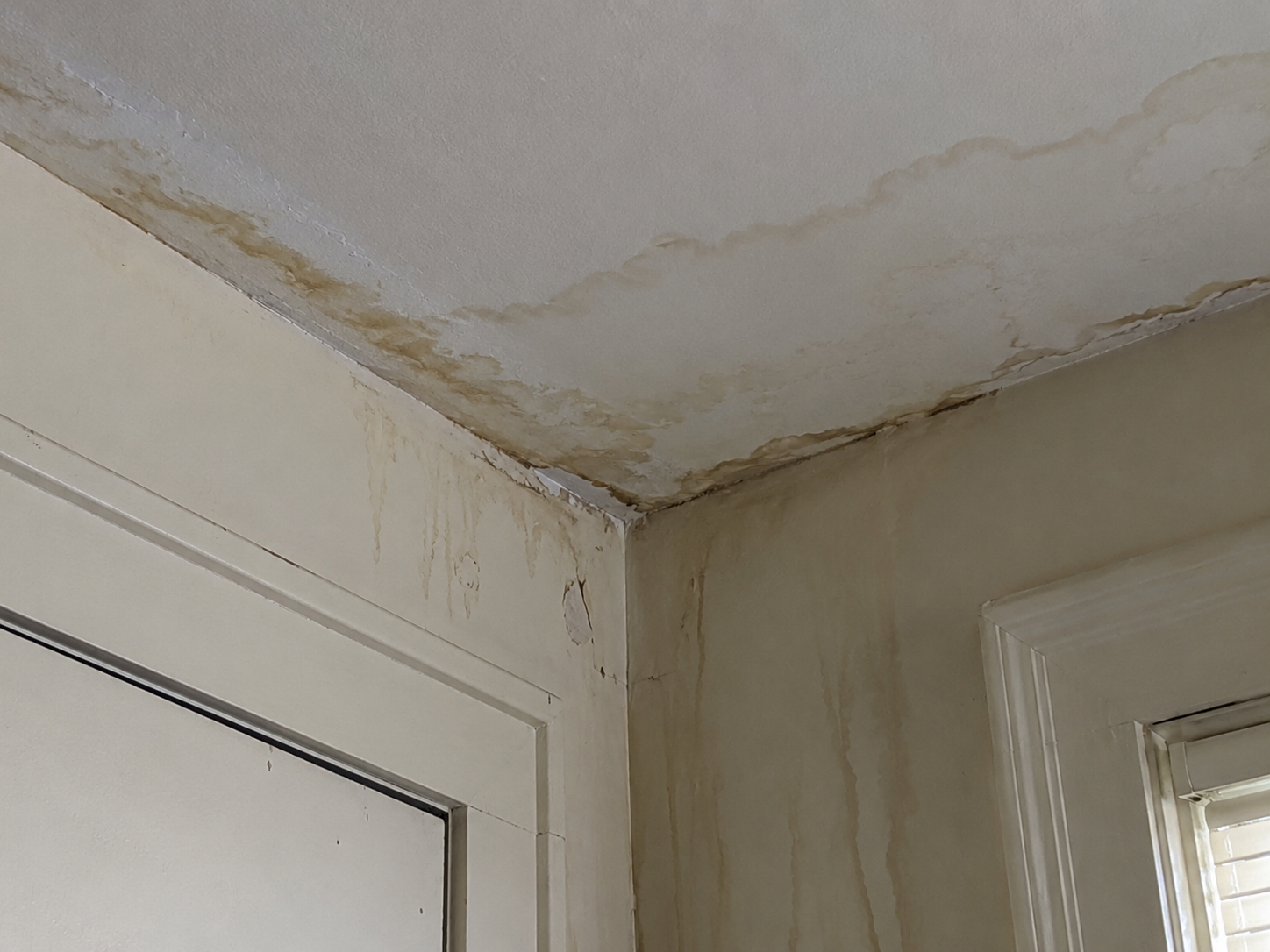
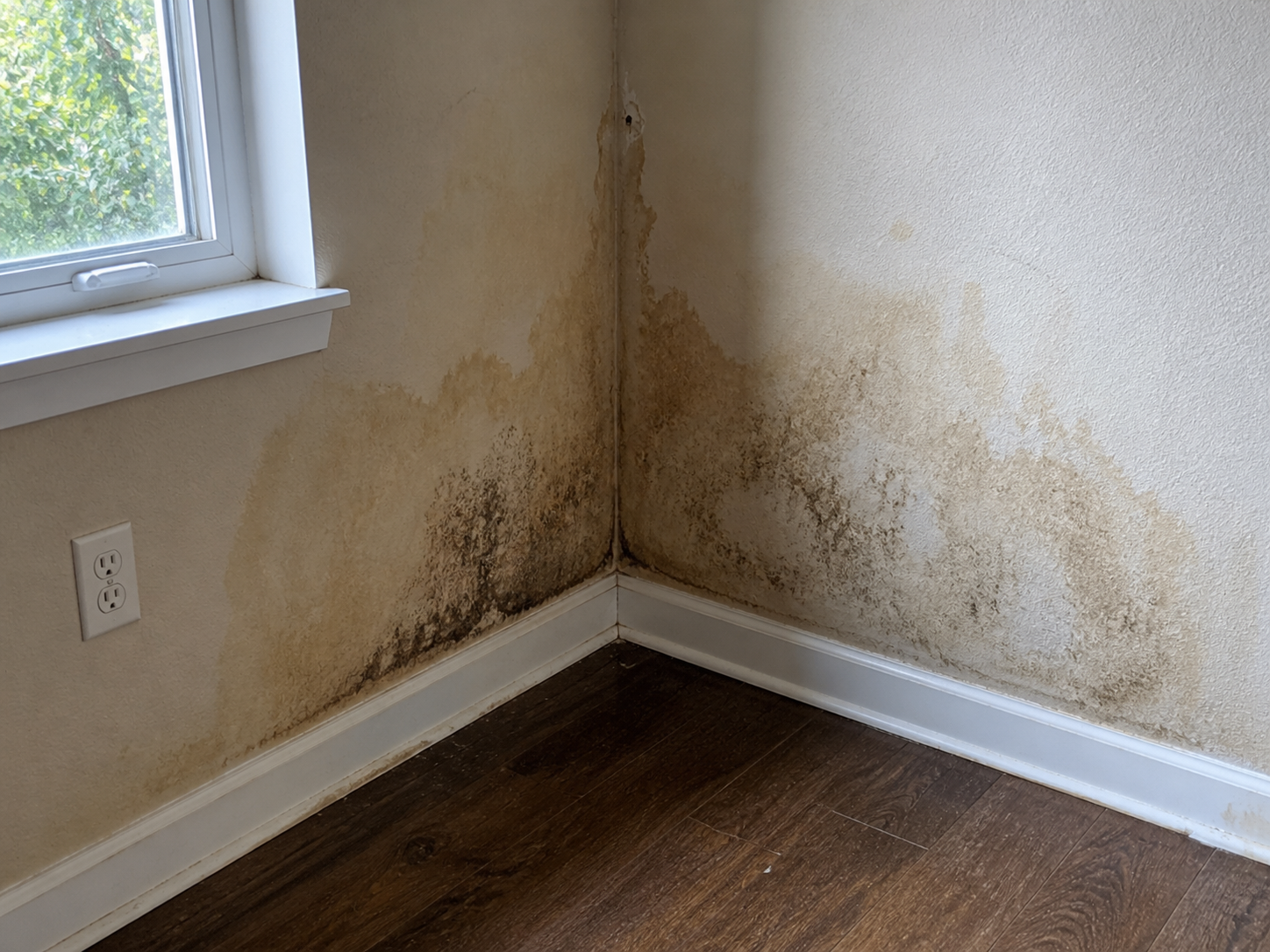
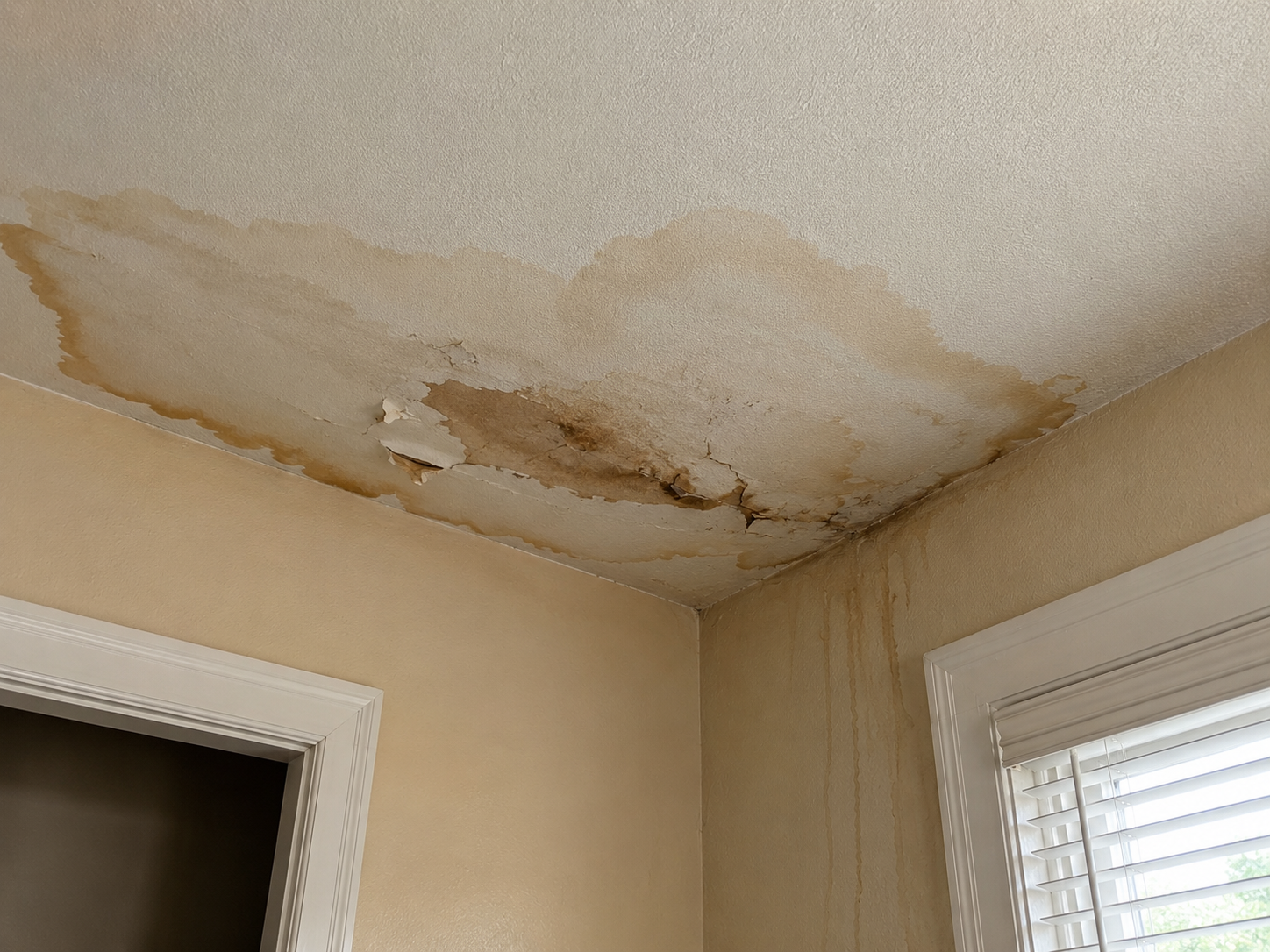
Water damage can result from many sources including burst or leaking pipes, failed water heater tanks, washing machine hose failures, overflowing toilets, dishwasher malfunctions, roof leaks during heavy rains, foundation seepage, poor drainage around the property perimeter, and storm flooding. The majority of residential water damage incidents originate from sources inside the property itself rather than external weather events.
-
Immediately. Water damage escalates rapidly. Within minutes, porous materials like drywall, carpet, and wood begin absorbing water. Within 24 to 48 hours, mold growth can begin in warm, damp conditions. Within days, structural materials can begin to warp, swell, and lose their integrity. The faster water is extracted and drying begins, the more of the property and its contents can be saved.
-
Professional water damage restoration follows a systematic process: emergency contact and assessment, thorough inspection using moisture meters and infrared cameras, water category classification, industrial water extraction using pumps and truck-mounted equipment, structural drying using commercial dehumidifiers and air movers, daily monitoring of moisture levels, antimicrobial treatment to prevent mold, content evaluation and restoration, and documentation for insurance purposes.
-
Water damage is classified into three categories. Category 1 is clean water from a sanitary source such as a broken supply line. Category 2 is gray water containing significant contamination from sources like washing machine overflow. Category 3 is black water that is grossly contaminated and may contain sewage, chemical waste, or floodwater. Each category requires different safety protocols and restoration methods.
-
In many cases, yes. If the carpet is dried within 48 to 72 hours and the water source is Category 1 or 2, the carpet can often be professionally cleaned and reinstalled. However, carpet padding almost always needs to be replaced, and the subfloor must be thoroughly dried before reinstallation. After prolonged moisture exposure or Category 3 water contamination, carpet typically needs to be replaced entirely.
-
The timeline depends on the severity and extent of the damage. Water extraction can often be completed within hours. Structural drying typically takes 3 to 5 days, though severe cases may take longer. Full restoration including any reconstruction work can take several weeks to several months depending on the scope. Our team provides estimated timelines during the initial assessment and keeps you informed throughout.