
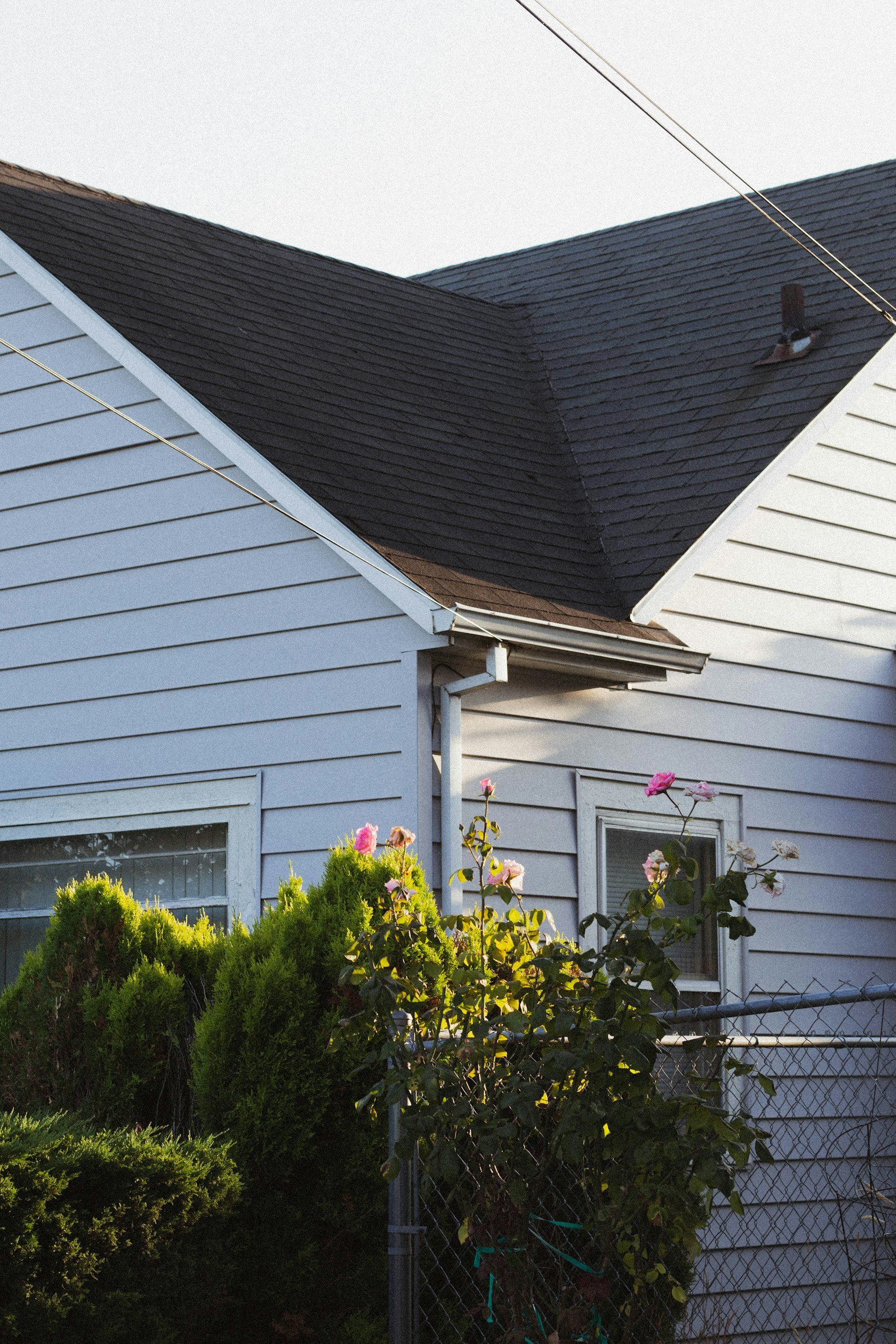
When Does Your Roof Need Repair? Warning Signs Southern California Homeowners Should Never Ignore
Your roof does not have to collapse or develop a major leak before it needs professional attention. Many roofing problems begin with small warning signs, such as a missing shingle, a water stain on the ceiling, damaged flashing, or moisture collecting in the attic. Identifying these issues early can help prevent damage from spreading to the insulation, drywall, electrical system, framing, flooring, and other parts of your property.
One of the most common signs that your roof needs repair is a water stain on the ceiling or wall. These stains may appear brown, yellow, or dark around the edges. However, the location of the stain does not always reveal where the water is entering. Water can travel along roof decking, rafters, insulation, pipes, and framing before becoming visible inside the home. A professional roof inspection can help locate the source of the leak and determine whether water-damage restoration is also necessary.
Missing, cracked, curled, or loose shingles are another important warning sign. Roofing materials are constantly exposed to sunlight, wind, temperature changes, moisture, and debris. Over time, shingles can deteriorate or separate from the roof. Even one missing shingle can expose the underlying roofing system to water intrusion. Repairing a small damaged section early may prevent moisture from reaching the interior of your home during the next period of heavy rain.
A roof leak does not always create a steady stream of water. It may appear as a slow drip, a damp ceiling, bubbling paint, peeling drywall, a musty smell, or moisture near a window or exterior wall. Leaks that appear only during heavy rain may be caused by damaged shingles, deteriorated flashing, clogged drainage systems, roof penetrations, or wind-driven water. Even if the visible moisture disappears after the rain stops, water may remain trapped inside the insulation, ceiling, or walls.
Damaged flashing can also allow water to enter the roofing system. Flashing is installed around chimneys, skylights, plumbing vents, HVAC penetrations, roof valleys, dormers, and wall-to-roof connections. Its purpose is to redirect water away from vulnerable openings and joints. When flashing becomes loose, cracked, corroded, or improperly sealed, leaks can develop around these areas. A recurring leak near a chimney, skylight, vent, or exterior wall may indicate a flashing problem.
If you have an asphalt shingle roof, excessive granules in the gutters may indicate deterioration. These protective granules help shield shingles from sunlight and weather exposure. Although some granule loss is normal, large amounts collecting in gutters, washing through downspouts, or leaving bare areas on the shingles may mean the roof is losing its protective surface. A professional roofer can determine whether the affected shingles can be repaired or whether a larger section requires replacement.
A sagging, dipping, or uneven roofline should never be ignored. A roof should generally appear straight and structurally consistent. Sagging areas may be caused by trapped moisture, damaged roof decking, deteriorated framing, excessive weight, improper installation, or long-term leaks. Because this condition may involve more than the exterior roofing materials, it should be evaluated promptly by a qualified professional.
The attic can reveal roofing problems before they become visible in the living areas of the home. Damp insulation, dark stains on the roof decking, rusted fasteners, mold-like growth, condensation, musty odors, or daylight entering through openings may all indicate a problem. Moisture inside an attic may be caused by a roof leak, poor ventilation, condensation, or a combination of issues. Both the roofing system and affected interior materials should be inspected to determine the source and extent of the damage.
Southern California roofs can also be damaged by strong wind, heavy rain, falling branches, wildfire-related debris, and other unexpected events. A roof may appear intact from the ground while still having lifted shingles, damaged flashing, punctures, or compromised seals. After severe weather, check for roofing materials in the yard, branches resting on the roof, bent gutters, loose roof edges, new ceiling stains, or moisture around vents and skylights.
If part of the roof has been opened or punctured, emergency roof tarping may be needed to temporarily protect the property. A properly installed tarp can help reduce additional exposure until permanent repairs are completed. However, emergency tarping is not a permanent solution. The underlying damage must still be inspected and professionally repaired.
Damaged or overflowing gutters may also contribute to roofing problems. Gutters are designed to direct rainwater away from the roof, exterior walls, and foundation. When they become clogged, detached, damaged, or improperly pitched, water can collect along the roofline and affect the fascia, soffits, siding, and roofing materials. Overflowing gutters may not always mean the roof itself is damaged, but prolonged drainage problems can eventually lead to deterioration and water intrusion.
A roof leak that keeps returning often means the original source was not completely identified or repaired. Temporary sealants may slow the water, but they may not address damaged underlayment, flashing, roof decking, drainage problems, or deteriorated roofing materials. When the same leak returns, the entire surrounding area should be inspected so the underlying cause can be corrected instead of repeatedly treating the visible symptom.
Not every roofing problem requires a complete roof replacement. A localized repair may be appropriate when the damage is limited, the remaining roof is in serviceable condition, and the underlying structure is sound. A replacement may need to be considered when damage affects a large portion of the roof, leaks are widespread or recurring, the roof is near the end of its expected service life, or the decking and structural materials have deteriorated. Replacement may also be more practical when repeated repair costs are beginning to approach the cost of a new roofing system.
If your roof is actively leaking, move people, furniture, electronics, and valuables away from the affected area. Place a container under dripping water when it is safe to do so, but do not touch wet electrical fixtures, outlets, or wiring. Avoid climbing onto a wet or damaged roof. Document visible damage with photographs and videos, then contact a qualified roofing and restoration company for an inspection and emergency assistance.
Fast roof repairs matter because water damage does not remain limited to the roof. Moisture can travel into the insulation, drywall, ceilings, electrical components, wood framing, roof decking, flooring, and personal belongings. Hidden moisture can also create conditions that support mold growth and affect indoor air quality. Correcting the roof damage and properly drying the affected materials can help prevent a smaller problem from becoming a major restoration project.
Vanguard Restoration provides roof inspections, roof leak repairs, emergency roof tarping, storm-damage repairs, water-damage mitigation, mold remediation, fire and smoke damage restoration, reconstruction, and general contracting services throughout Southern California. Because roof damage can affect multiple areas of a property, working with a team that can address both the exterior roofing problem and the resulting interior damage can make the recovery process more efficient.
If you have noticed damaged shingles, ceiling stains, moisture in the attic, storm damage, or a recurring roof leak, do not wait for the problem to spread. Contact Vanguard Restoration for professional roofing and property-restoration services. Vanguard Restoration is available 24 hours a day for emergency assistance throughout Southern California.
Visit www.vanguardrestoration.us to request service or learn more. CSLB #1096150.
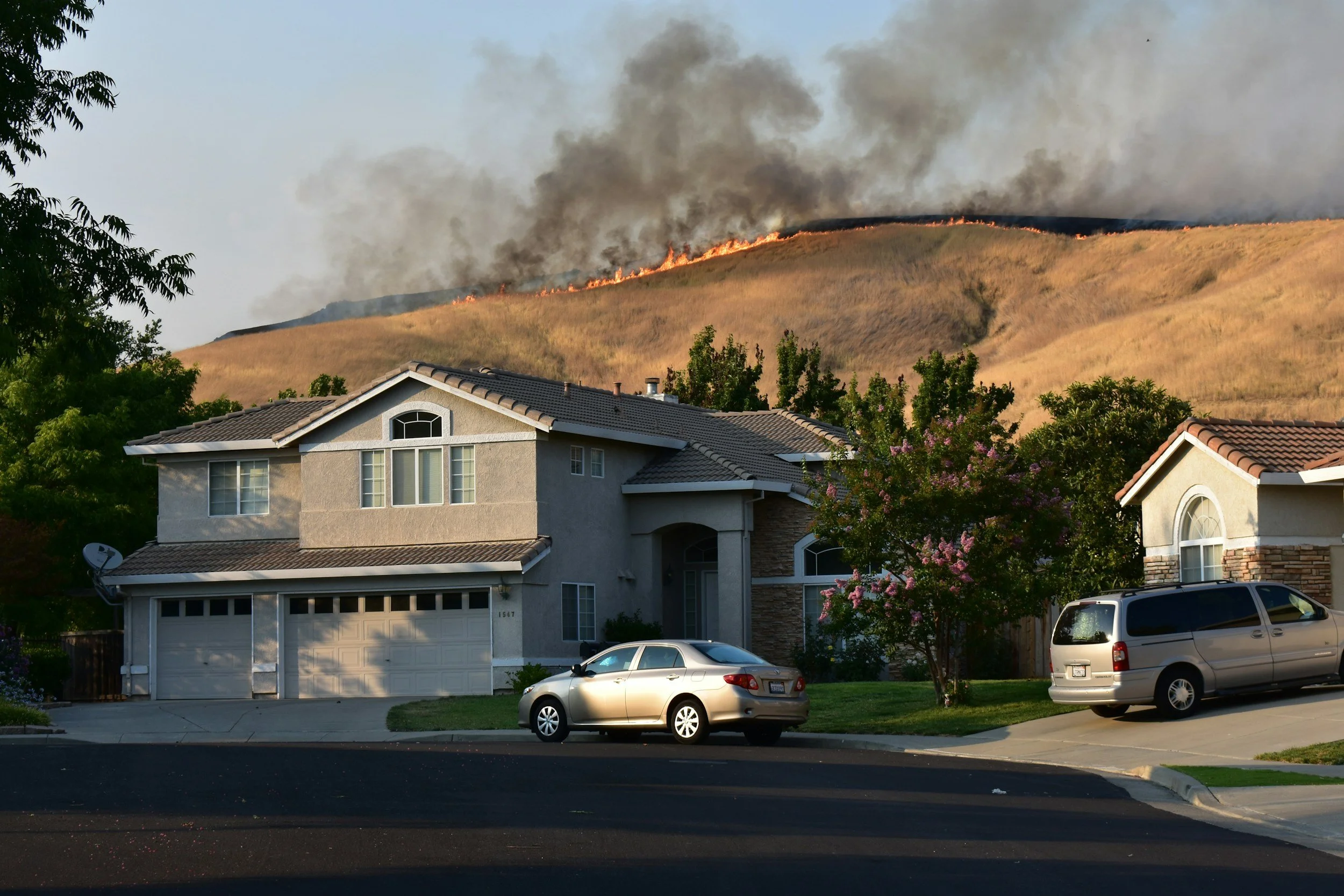
Understanding Smoke Damage: What Every Homeowner Needs to Know
Introduction
The fire is out. The fire department has cleared the building. You walk through the front door and the first thing you notice is not the burn damage. It is the smell. A heavy, acrid, chemical smell that seems to come from everywhere and nowhere at once. The walls look gray. The ceiling has a yellowish film. Your clothes in the closet two rooms away from the fire smell like they were in the room when it burned. The air itself feels wrong.
This is smoke damage, and for many homeowners it turns out to be more disruptive, more expensive, and more persistent than the fire damage itself. Smoke does not respect boundaries. It travels through every opening, crack, vent, and gap in the building envelope. It rides the HVAC system into rooms that show no sign of fire. It penetrates porous materials at the molecular level, embedding chemical compounds that continue off-gassing for months. And unlike charred framing or melted fixtures, smoke damage is often invisible, which makes it easy to underestimate and dangerous to ignore.
This guide explains what smoke damage actually is, why it behaves the way it does, what it does to your health, how professionals remediate it, and what homeowners need to know to protect themselves and their property. It is written for anyone dealing with smoke damage from a structure fire, a kitchen incident, a furnace malfunction, or wildfire smoke infiltration, and everything here is grounded in EPA guidance, IICRC restoration standards, and the operational realities of smoke damage restoration across Southern California.
What Smoke Damage Actually Is
Smoke is not a single substance. It is a complex mixture of gases, fine particles, and chemical compounds produced when materials burn. The composition of smoke depends entirely on what burned, how hot the fire was, how much oxygen was available, and how long the combustion lasted. A clean-burning wood fire produces relatively simple carbon particles. A smoldering fire involving plastics, synthetic fabrics, treated lumber, and household chemicals produces a toxic stew of compounds including carbon monoxide, formaldehyde, hydrogen cyanide, volatile organic compounds, polycyclic aromatic hydrocarbons, and dozens of other hazardous substances.
Soot is the visible component of smoke damage. It is the fine, black or dark gray particulate residue that settles on surfaces after combustion. But soot is only part of the picture. Smoke also deposits an invisible chemical residue that penetrates porous materials, bonds to surfaces at the molecular level, and continues releasing harmful compounds into the indoor air long after the visible soot has been cleaned. This is why a home can look clean after surface wiping and still smell strongly of smoke. The odor is not coming from what you can see. It is coming from what you cannot.
The EPA classifies the fine particles in smoke as PM2.5, meaning they are 2.5 micrometers or smaller in diameter. For perspective, a human hair is approximately 70 micrometers. These particles are small enough to bypass the body's natural filtration systems, penetrate deep into the lungs, enter the bloodstream, and cause cardiovascular and respiratory damage. This is the primary reason that smoke damage is a health concern, not just a property concern.
The Four Types of Smoke Residue
Not all smoke damage is the same, and the type of residue left behind determines both the health risk and the cleaning method required. Professional restorers identify four distinct types based on the fire's temperature, fuel source, and oxygen availability.
Dry Smoke Residue
Dry smoke is produced by fast-burning, high-temperature fires with adequate oxygen, typically fueled by wood, paper, and natural materials. It leaves a fine, powdery, non-smearing residue that sits lightly on surfaces. Of the four types, dry smoke is generally the easiest to clean because it does not bond aggressively to surfaces. However, the fine particles infiltrate cracks, crevices, electrical outlets, and any gap in the building envelope, making thorough removal more involved than it appears. A surface wipe leaves contamination in every hidden space the particles reached.
Wet Smoke Residue
Wet smoke is produced by slow-burning, smoldering fires with limited oxygen, often involving plastics, rubber, and synthetic materials. It creates a thick, sticky, black residue with a pungent chemical odor. Wet smoke is significantly harder to clean than dry smoke because it smears when wiped, bonds tenaciously to surfaces, and produces dense, oily soot that penetrates deeply into porous materials. The odor from wet smoke is particularly persistent because the chemical compounds in the residue are petroleum-based and do not break down easily. Wet smoke residue is also more corrosive than dry smoke, meaning it actively damages metal surfaces, electronics, and appliances if not removed quickly.
Protein Smoke Residue
Protein smoke results from the combustion of organic materials, most commonly meat, poultry, or other food products in kitchen fires. It is arguably the most deceptive type of smoke damage because it leaves almost no visible residue. The affected surfaces may show only a faint yellowish discoloration that is easy to overlook. But the odor is intense, unmistakable, and extraordinarily difficult to eliminate. Protein residue creates a thin, nearly invisible film that bonds to every surface in the affected space, including painted walls, cabinets, countertops, and the inside of appliances. Because there is little visible evidence, homeowners often underestimate the scope of contamination and attempt cleanup methods that address the surfaces but not the embedded odor compounds.
Fuel and Petroleum Smoke Residue
Fuel smoke, sometimes called petroleum residue, results from the combustion of petroleum-based products including gasoline, diesel, heating oil, and certain industrial chemicals. It is the least common type in residential settings but the most difficult to remediate. The residue is dense, sticky, and carries an extremely strong odor. It bonds aggressively to all surfaces and requires professional-grade solvents and extended deodorization to resolve. Furnace puffbacks, where an oil-fired furnace misfires and blows soot throughout the home, produce this type of residue.
Why Smoke Damage Is More Dangerous Than It Looks
The health risks of smoke residue exposure are well documented and more serious than most homeowners realize. The EPA identifies fine particulate matter from smoke as a significant health hazard, noting that PM2.5 particles can penetrate deep into the lungs and enter the bloodstream, potentially causing bronchitis, pneumonia, aggravated asthma, and cardiovascular complications. Children, older adults, pregnant women, and individuals with pre-existing respiratory or heart conditions are especially vulnerable.
But the immediate exposure during a fire event is only part of the risk. Smoke residue that remains on surfaces and inside building materials continues to off-gas volatile organic compounds into the indoor air for weeks or months after the fire. Living in a home with unresolved smoke contamination means continuous low-level exposure to these compounds every hour of every day. Symptoms can include persistent headaches, eye irritation, throat irritation, coughing, fatigue, and difficulty concentrating. Because the onset is gradual and the source is invisible, many homeowners attribute these symptoms to allergies, seasonal changes, or stress rather than recognizing them as indicators of indoor air quality contamination.
Soot itself is acidic. Left on surfaces, it causes progressive damage. Metal fixtures, appliances, and electronics begin corroding within hours of exposure. Painted surfaces discolor permanently if soot is not removed within days. Fabric, upholstery, and carpet fibers trap soot particles and become increasingly difficult to restore the longer cleaning is delayed. This is why restoration professionals emphasize rapid response for smoke damage even when there is no visible fire damage to the structure.
Where Smoke Travels: Hidden Damage Most Homeowners Miss
Smoke follows air currents, pressure differentials, and the path of least resistance. It does not stop at doorways, walls, or closed doors. Understanding where smoke goes explains why the visible damage from a fire rarely represents the full scope of contamination.
HVAC ductwork is the most significant pathway for smoke distribution. If the heating or cooling system was running during or after the fire, smoke particles were pulled into the return air system and distributed to every room connected to the duct network. Even after surface cleaning, contaminated ductwork continues recirculating soot and odor compounds every time the system runs. This is one of the most common reasons homeowners report that smoke odor returns after they thought cleanup was complete.
Electrical outlets, switch plates, plumbing penetrations, and gaps around pipe chases provide pathways for smoke to enter wall cavities. Once inside a wall, smoke residue settles on framing, insulation, and the back side of drywall in areas that cannot be seen or reached without demolition. Attic spaces above the fire area collect rising smoke. Smoke penetrates upward through recessed light housings, bathroom exhaust fan openings, and any unsealed penetration in the ceiling plane. The attic insulation absorbs smoke compounds and becomes a long-term odor reservoir if not addressed.
Closets, cabinets, drawers, and enclosed storage spaces trap smoke that enters through gaps and seams. Contents stored inside these spaces absorb odor compounds. Clothing, linens, books, documents, and photographs are particularly susceptible because they are porous and have high surface area relative to their volume.
The Professional Smoke Damage Restoration Process
Assessment and Documentation
Professional smoke damage restoration begins with a thorough assessment that goes far beyond what is visible to the naked eye. Technicians inspect every room, open every cabinet and closet, check behind furniture, examine the HVAC system, access the attic if applicable, and use their understanding of smoke behavior to identify contamination in areas the homeowner may not have considered. The assessment documents the type of smoke residue present, the extent of contamination, which materials are salvageable versus non-salvageable, and whether the HVAC system is compromised. This documentation becomes the foundation of the scope of work and the insurance claim.
Content Removal and Protection
Salvageable contents are carefully inventoried, packed, and removed for off-site cleaning and storage if necessary. Contents left in the structure during restoration are at risk of further contamination from cleaning chemicals and airborne particles disturbed during the remediation process. Non-salvageable items are documented for the insurance claim with photographs, descriptions, and replacement value estimates before disposal.
Surface Cleaning: Soot and Residue Removal
The cleaning methodology depends entirely on the type of smoke residue identified during assessment. Dry smoke residue is removed using HEPA vacuuming followed by dry chemical sponges that lift soot particles without smearing. Wet smoke residue requires degreasing agents and careful technique because aggressive wiping pushes the oily residue deeper into the surface. Protein residue demands enzymatic cleaners that break down the organic compounds at the molecular level. Fuel residue requires professional-grade petroleum solvents.
Every surface in the affected area is cleaned, including walls, ceilings, floors, trim, light fixtures, window frames, door frames, and the interior of cabinets and closets. Hard surfaces are wiped down methodically. Porous surfaces that cannot be adequately cleaned, such as heavily contaminated drywall, insulation, or carpet, are removed and replaced. This is not optional. Leaving contaminated porous materials in place guarantees that odor will return.
HVAC Decontamination
If the HVAC system was operating during or after the fire event, comprehensive duct cleaning is required. This involves more than simply vacuuming the ducts. The supply and return ductwork is cleaned using negative air pressure and mechanical agitation to dislodge soot that has adhered to the interior surfaces. The air handler, blower assembly, evaporator coil, and all accessible components are cleaned. Filters are replaced with high-efficiency filters rated MERV 13 or higher, as recommended by the EPA for smoke particle filtration. Any ductwork that cannot be adequately cleaned, particularly flexible duct that has absorbed smoke compounds, is replaced.
Deodorization
Odor elimination is the phase that separates professional restoration from DIY attempts. Surface cleaning removes what you can see, but the smell comes from chemical compounds embedded in materials at the molecular level. Professional deodorization uses one or more of three primary technologies, each with different mechanisms, advantages, and limitations.
Thermal fogging heats a deodorizing solution into a fine mist with particles small enough to follow the same pathways smoke traveled. The fog penetrates wall cavities, attic spaces, ductwork, and material pores, neutralizing odor compounds through chemical reaction rather than masking. Thermal fogging requires that the space be unoccupied during treatment, and the treated area must be ventilated before re-entry. It is highly effective for structure fires and deep-penetrating smoke.
Hydroxyl generators produce hydroxyl radicals that break apart odor molecules, converting contaminants into carbon dioxide and water. Unlike ozone and thermal fogging, hydroxyl generators are safe to operate in occupied spaces and around sensitive materials. They can run continuously while other restoration work proceeds, which makes them efficient despite requiring several days to achieve full results. Many restoration professionals now consider hydroxyl generation the default deodorization method, with thermal fogging and ozone reserved for specific situations.
Ozone generators produce concentrated ozone gas that reacts with and destroys odor molecule structures. Ozone is extremely effective but carries significant safety restrictions. The EPA notes that ozone is a lung irritant, and no federal agency has approved ozone-generating air cleaners for use in occupied spaces. The treated area must be completely vacated during treatment and for several hours afterward. Ozone is typically reserved for severe contamination, enclosed spaces, or situations where other methods have not fully resolved the odor.
Post-Remediation Verification
Professional restoration does not end when the work looks done. Post-remediation verification confirms that contamination has been removed to acceptable levels. This may include visual inspection under specialized lighting that reveals residue invisible under normal conditions, surface sampling to verify that cleaning met acceptable thresholds, and air quality testing to confirm that airborne particulate levels and VOC concentrations have returned to pre-loss or acceptable baseline levels. The verification results are documented and included in the project file for the homeowner and the insurance carrier.
HVAC Systems and Smoke Contamination
The HVAC system deserves its own discussion because it is simultaneously the most common pathway for smoke distribution and the most commonly under-addressed component of smoke damage restoration. If the system was running at any point during or after the fire, every room connected to the ductwork received smoke particles regardless of how far that room was from the fire origin.
Simply replacing the filter is not adequate. Standard HVAC filters are designed to capture dust and large particles, not the sub-micron soot particles and chemical compounds in smoke. Even high-efficiency filters rated MERV 13 or higher cannot capture particles that have already deposited inside the ductwork, on the evaporator coil, on the blower fan, and inside the air handler housing. Every time the system cycles, it redistributes those particles.
The EPA recommends having air ducts cleaned when they are clogged with excessive amounts of dust and debris or when particles are being released from supply registers. Smoke damage meets both criteria. However, the EPA also cautions that duct cleaning alone has not been proven to prevent health problems, which is why comprehensive HVAC decontamination, not just duct cleaning, is the appropriate response to smoke exposure. This includes cleaning the interior components of the air handler, replacing the filter with a MERV 13 or higher rated filter, cleaning or replacing flexible duct runs that have absorbed smoke compounds, and verifying airflow and system performance after cleaning.
Can You Clean Smoke Damage Yourself?
For very minor smoke exposure, such as a small cooking incident that was quickly ventilated, homeowner cleaning may be sufficient. Open windows, run exhaust fans, wipe down affected surfaces with a mild detergent, launder any affected textiles, and replace the HVAC filter. If the odor resolves completely within a day or two, professional intervention is likely unnecessary.
For anything beyond that, the honest answer is no. Homeowner cleaning addresses surfaces, not the embedded contamination that causes persistent odor and ongoing health exposure. Without moisture meters, thermal imaging, air quality testing equipment, and professional-grade deodorization technology, there is no way to verify that remediation is complete. Surface cleaning without deodorization is like mopping a floor without addressing the sewage leak underneath it. The visible result looks clean. The underlying problem remains.
The specific scenarios that require professional restoration include: any fire that produced visible soot on surfaces beyond the immediate fire area; any situation where smoke odor persists after surface cleaning; any fire involving plastics, synthetics, or petroleum products (which produce wet smoke and fuel residue); any situation where the HVAC system was running during the fire; and any wildfire smoke infiltration event that produced visible haze or particulate accumulation indoors.
Insurance and Smoke Damage Claims
Most standard homeowners insurance policies cover smoke damage from sudden and accidental events, including structure fires and covered perils. The coverage typically extends beyond the immediate fire area to all areas of the home affected by smoke, including rooms with no fire damage whatsoever. This is an important distinction because the cost of smoke remediation in rooms far from the fire origin can exceed the cost of repairing the fire damage itself.
Smoke damage claims require thorough documentation. Photograph and video every affected area before any cleaning begins. Document the visible soot accumulation, the odor (noting which rooms and how strong), any discoloration on surfaces, and the condition of contents. Keep a written log of symptoms experienced by household members, as this supports the health hazard component of the claim.
A common point of contention in smoke damage claims is scope. Insurance adjusters may initially scope only the rooms with visible damage. Professional restoration companies understand that smoke travels far beyond visible areas and will document the full extent of contamination, including hidden areas like wall cavities, attic spaces, and HVAC systems. If the restoration company's scope exceeds the adjuster's initial estimate, a supplement is submitted with supporting documentation. Homeowners should expect this process and understand that supplements are routine, not adversarial.
Additional living expenses (ALE) coverage applies to smoke damage just as it does to fire or water damage. If your home is uninhabitable due to smoke contamination or the air quality is unsafe, your policy typically covers reasonable costs for temporary housing, meals, and related expenses during the restoration period.
Smoke Damage Without a Fire: Wildfires, Furnace Puffbacks, and Nearby Fires
Wildfire Smoke Infiltration
Southern California's wildfire seasons have made this an increasingly common and increasingly serious form of smoke damage. Homes miles from the fire line can experience significant indoor smoke contamination when wildfire smoke infiltrates through windows, doors, ventilation systems, and gaps in the building envelope. The contamination may not be visible as soot accumulation, but PM2.5 levels inside the home can reach hazardous concentrations that persist long after outdoor air quality improves.
The EPA recommends using HEPA filtration, closing windows and doors, and running HVAC systems with high-efficiency filters during smoke events. But after the event passes, residual contamination may remain in carpet fibers, upholstered furniture, HVAC ductwork, and other porous materials. Homeowners who experienced significant wildfire smoke exposure indoors should consider professional air quality testing to determine whether remediation is warranted, particularly if household members are experiencing respiratory symptoms.
Furnace Puffbacks
A furnace puffback occurs when an oil-fired furnace misfires, causing an explosive release of soot and smoke through the HVAC system and into the living space. The result looks like a small bomb went off inside the ductwork. Fine, oily soot coats every surface in every room connected to the system, including inside cabinets, closets, and drawers. The soot is petroleum-based and extremely difficult to clean. Furnace puffbacks are typically covered by homeowners insurance and almost always require professional restoration.
Smoke from Nearby Fires
A fire at a neighboring property, a commercial building, or a vehicle can produce smoke that enters your home through open windows, ventilation systems, or gaps in the building envelope. The damage may be limited, but if persistent odor or visible residue is present, the same assessment and remediation principles apply. Document the external fire source for your insurance claim, as coverage depends on the origin of the smoke and your specific policy language.
When Smoke Damage Becomes a Health Emergency
Certain situations require immediate attention and possibly temporary evacuation rather than gradual cleanup. If anyone in the household is experiencing difficulty breathing, persistent coughing, chest tightness, or dizziness after a smoke event, seek medical attention and leave the property until air quality can be professionally assessed. Infants, elderly family members, pregnant women, and individuals with asthma, COPD, or cardiovascular conditions are at elevated risk and should not remain in a smoke-contaminated environment.
Category 3 fire damage involving the combustion of plastics, treated lumber, electronics, and household chemicals can release particularly hazardous compounds including hydrogen cyanide, dioxins, and heavy metals. Cleanup of these materials requires full personal protective equipment including respiratory protection at the N95 level or higher, and homeowners should not attempt cleanup without professional assessment of the hazard level.
Common Myths About Smoke Damage
Myth: If you cannot see soot, there is no smoke damage. Fact: Protein smoke and light smoke exposure can leave virtually no visible residue while depositing chemical compounds that cause intense odor and ongoing health exposure. Smoke contamination inside wall cavities, HVAC systems, and attic spaces is invisible from the living space but continues affecting indoor air quality.
Myth: Air fresheners and candles can eliminate smoke odor. Fact: Masking agents cover the smell temporarily without addressing the source. The odor compounds are embedded in building materials at the molecular level and will continue off-gassing until they are either chemically neutralized through professional deodorization or the contaminated materials are removed.
Myth: Repainting walls eliminates smoke odor. Fact: Standard interior paint does not seal smoke odor compounds. Painting over smoke-contaminated drywall traps the odor temporarily, but the compounds eventually migrate through the paint film and the smell returns. If painting is part of the restoration, the surface must first be cleaned to remove all soot residue, then sealed with a specialized odor-blocking primer before finish paint is applied.
Myth: Ozone generators are safe to use while you are home. Fact: The EPA explicitly states that ozone is a lung irritant and that no federal agency has approved ozone-generating air cleaners for use in occupied spaces. Professional ozone treatment requires complete evacuation of the treated area, including removal of pets and plants, with adequate ventilation before re-entry. Consumer-grade ozone generators vary widely in output and safety features and should not be used without professional guidance.
Myth: Smoke damage only affects the rooms near the fire. Fact: Smoke follows air currents and pressure differentials throughout the entire building envelope. If the HVAC system was running, every room connected to the ductwork received smoke particles. Attic spaces, wall cavities, and enclosed storage areas far from the fire origin routinely test positive for smoke contamination.
Myth: Bleach cleans smoke damage. Fact: Bleach is not effective on smoke residue and can react with certain smoke compounds to create additional hazardous byproducts. The appropriate cleaning method depends on the type of smoke residue present. Dry smoke requires dry chemical sponges and HEPA vacuuming. Wet smoke requires degreasers. Protein residue requires enzymatic cleaners. Using the wrong cleaning method can set the residue deeper into surfaces, making professional remediation more difficult and expensive.
What Homeowners Should Expect: Realistic Timelines
Light smoke damage (cooking incident, small contained fire, minimal soot): Two to five days. Surface cleaning, HVAC filter replacement, and targeted deodorization. Contents may not require removal. Minimal or no demolition.
Moderate smoke damage (room fire with smoke distribution to adjacent rooms, visible soot, persistent odor): One to three weeks. Comprehensive surface cleaning, content pack-out and cleaning, HVAC decontamination, professional deodorization, and minor repairs including repainting with odor-blocking primer.
Severe smoke damage (significant fire with smoke distribution throughout the home, wet or fuel smoke residue, HVAC contamination): Three to eight weeks or longer. Extensive cleaning and demolition of non-salvageable porous materials, complete HVAC decontamination or replacement, multi-method deodorization, and reconstruction of affected areas. Insurance supplement processing may extend the timeline.
Wildfire smoke infiltration: Varies widely. Light infiltration may resolve with HVAC filter replacement and professional carpet cleaning within a few days. Significant infiltration with particulate accumulation in ductwork and porous materials may require one to two weeks of professional remediation.
Frequently Asked Questions
Is smoke damage dangerous to your health? Yes. The EPA identifies fine particulate matter from smoke (PM2.5) as a significant health hazard. These particles penetrate deep into the lungs and can enter the bloodstream. Chronic low-level exposure to smoke residue compounds causes respiratory irritation, headaches, eye irritation, and can aggravate asthma, COPD, and cardiovascular conditions. Children, elderly individuals, and people with pre-existing conditions are especially vulnerable.
How long does smoke damage cleanup take? Light smoke damage can be cleaned in two to five days. Moderate damage with HVAC contamination and persistent odor takes one to three weeks. Severe smoke damage involving wet or fuel residue, extensive demolition, and multi-method deodorization can take three to eight weeks or longer.
Can you stay in your house with smoke damage? It depends on the severity and type of contamination. Light smoke exposure from a small cooking fire may not require evacuation. Significant smoke damage with persistent odor, visible soot in multiple rooms, or HVAC contamination makes the indoor air quality unsafe for extended occupancy, particularly for children, elderly, pregnant women, and individuals with respiratory conditions.
Does insurance cover smoke damage? Most standard homeowners insurance policies cover smoke damage from sudden and accidental events. Coverage extends to all areas of the home affected by smoke, not just the rooms with visible fire damage. Additional living expenses are typically covered if the home is uninhabitable. Wildfire smoke infiltration coverage varies by policy and may require specific endorsements.
What is the difference between smoke damage and soot damage? Soot is the visible black particulate residue that settles on surfaces. Smoke damage includes soot plus invisible chemical compounds, gases, and VOCs that penetrate porous materials and contaminate indoor air. A surface can be cleaned of visible soot and still have significant smoke damage in the form of embedded odor compounds and chemical residue.
Why does smoke odor keep coming back after cleaning? Because surface cleaning removes what you can see but not what has penetrated into porous materials, wall cavities, HVAC ductwork, attic insulation, and other hidden areas. The odor compounds continue off-gassing from these reservoirs. Eliminating the odor requires professional deodorization that reaches the same depth the smoke reached.
What is thermal fogging? Thermal fogging heats a deodorizing solution into a fine mist with particles small enough to follow the same pathways smoke traveled. The fog penetrates wall cavities, attic spaces, ductwork, and material pores, neutralizing odor compounds through chemical reaction. It requires the space to be unoccupied during treatment and is highly effective for deep-penetrating smoke.
What is a furnace puffback? A furnace puffback occurs when an oil-fired furnace misfires, causing an explosive release of soot through the HVAC system into the living space. The petroleum-based soot coats every surface connected to the ductwork. Puffbacks are typically covered by homeowners insurance and require professional restoration.
Can wildfire smoke damage your home even if the fire is miles away? Yes. Wildfire smoke infiltrates homes through windows, doors, ventilation systems, and gaps in the building envelope. PM2.5 levels indoors can reach hazardous concentrations during significant smoke events. Residual contamination in carpet, upholstery, and HVAC ductwork can persist after outdoor air quality improves.
How do professionals verify smoke damage cleanup is complete? Post-remediation verification may include visual inspection under specialized lighting, surface sampling to test for residual contamination, and air quality testing to confirm that PM2.5 levels and VOC concentrations have returned to acceptable levels. Results are documented for the homeowner and insurance carrier.
Should I clean smoke damage myself or hire a professional? Very minor smoke exposure from a small cooking incident may respond to homeowner cleaning with ventilation, surface wiping, and HVAC filter replacement. Any situation involving visible soot beyond the immediate area, persistent odor, HVAC contamination, plastics or synthetic materials burned, or health symptoms in household members requires professional restoration.
How does soot damage electronics and metal? Soot is acidic. When it settles on metal surfaces, it begins corroding within hours. Electronics are particularly vulnerable because soot particles are conductive and can cause short circuits. Appliances, light fixtures, electrical panels, and exposed metal hardware should be cleaned promptly to prevent permanent damage.
Conclusion
Smoke damage is one of the most underestimated consequences of fire and one of the most technically complex to remediate properly. The invisible nature of much of the contamination makes it easy to assume that surface cleaning is sufficient, but the chemistry and physics of smoke behavior ensure that the problem extends far deeper than what the eye can see. Professional restoration addresses contamination at the level where it actually exists, using methods and verification procedures that are beyond the reach of household cleaning supplies and consumer equipment.
The homeowners who recover most successfully from smoke damage are the ones who understand two things: first, that the scope of contamination is almost always larger than it appears, and second, that speed matters. Soot corrodes. Odor compounds embed deeper. Health exposure accumulates. Every day of delay makes the remediation more complex, more expensive, and less likely to achieve a complete result. The science is well established. The methods work. The key variable is the decision to act, and to act with professionals who understand what they are dealing with.
Need Help Now?
Vanguard Environmental & Restoration provides professional smoke and soot damage restoration across all of Southern California, from Bakersfield to San Diego. Our IICRC certified in-house team handles every phase from emergency assessment through complete deodorization and reconstruction. We work directly with your insurance company throughout the process.
Call: 1-800-571-5021
Visit: www.vanguardrestoration.us
Email: info@vanguardrestoration.us
License: CSLB #1096150
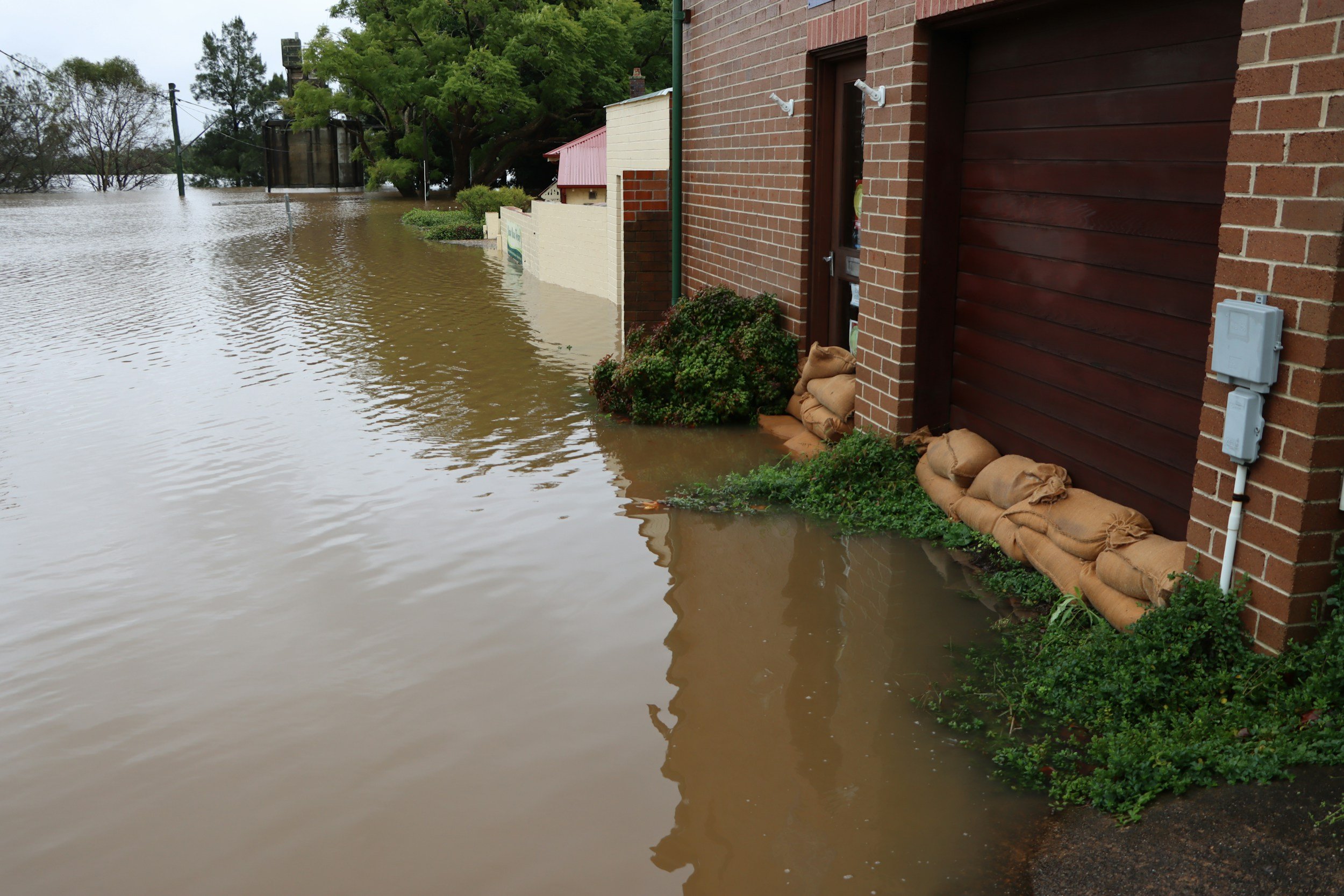
What to Do Immediately After a Mudslide Damages Your Home
Mudslides are one of the most destructive natural disasters homeowners can experience. Unlike ordinary flooding, mudslides combine fast-moving water, mud, rocks, trees, debris, and contaminated soil that can overwhelm homes and businesses within minutes. Even after the mud stops moving, the damage continues as moisture penetrates walls, flooring, foundations, insulation, and structural components. Acting quickly after a mudslide is essential to protect your property, reduce long-term damage, and begin the restoration process safely. At Vanguard Restoration, we provide 24/7 emergency mudslide cleanup, flood damage restoration, structural drying, debris removal, mold remediation, reconstruction, and complete property restoration throughout Los Angeles County, Orange County, Ventura County, Riverside County, San Bernardino County, Santa Clarita, Pasadena, Malibu, Altadena, Glendale, Burbank, Irvine, Anaheim, and surrounding Southern California communities.
The first priority after a mudslide is personal safety. Never enter your home until local authorities determine it is safe to do so. Mudslides can weaken foundations, shift walls, damage load-bearing structures, expose electrical hazards, rupture gas lines, and compromise the overall stability of the building. Standing water mixed with mud may also contain sewage, fuel, chemicals, bacteria, and other contaminants that present serious health risks. Even if the property appears stable from the outside, hidden structural damage may exist throughout the home.
Once authorities confirm it is safe to return, document the damage before moving or cleaning anything. Take detailed photographs and videos of every affected room, exterior damage, structural cracks, damaged flooring, cabinets, walls, ceilings, furniture, appliances, and personal belongings. Thorough documentation helps support insurance claims and provides restoration professionals with a clear understanding of the scope of the loss. The more detailed your documentation, the smoother the claims process often becomes.
One of the biggest mistakes homeowners make after a mudslide is attempting to clean the property themselves. Unlike clean water damage, mudslide debris is considered highly contaminated because it often contains soil, bacteria, organic waste, chemicals, sharp debris, and harmful microorganisms collected as floodwaters move across roads, hillsides, and surrounding properties. Professional restoration teams use specialized equipment, personal protective gear, and industry-approved cleaning methods to safely remove contaminated materials while protecting both occupants and the structure itself.
After debris removal begins, professional moisture mapping becomes one of the most important steps in the restoration process. Mud and floodwater rarely remain on the surface. Moisture quickly penetrates drywall, insulation, framing, subfloors, cabinetry, flooring, and structural materials where it may remain hidden long after visible mud has been removed. Vanguard Restoration uses advanced moisture meters, thermal imaging cameras, commercial dehumidifiers, and industrial air movers to locate and eliminate hidden moisture before it leads to mold growth and further structural deterioration.
Mudslides often cause damage that extends far beyond what homeowners initially notice. Floors may appear intact while subfloors underneath have absorbed significant moisture. Walls may show only minor staining while insulation and framing behind the drywall remain saturated. Foundations may shift due to soil movement, windows and doors may become misaligned, and structural framing may require reinforcement before reconstruction can safely begin. A comprehensive inspection ensures every affected area is identified and properly restored rather than simply repaired cosmetically.
Mold growth becomes another major concern following mudslide damage. Because mud retains moisture for extended periods, mold can begin developing within a relatively short time if materials are not professionally dried. Hidden mold frequently develops behind drywall, beneath flooring, inside cabinetry, and within wall cavities where homeowners cannot easily see it. Immediate drying, dehumidification, and mold prevention are critical to protecting indoor air quality and preventing additional restoration costs.
Reconstruction is often necessary after significant mudslide damage. Depending on the extent of the loss, restoration may include drywall replacement, flooring installation, cabinet replacement, finish carpentry, interior painting, insulation replacement, structural framing repairs, roofing repairs, and complete rebuilding of affected living spaces. Working with a full-service restoration company allows homeowners to move from emergency mitigation through final reconstruction with one experienced team managing every phase of the project.
Southern California presents unique mudslide risks due to steep hillsides, seasonal storms, burn scar areas left behind by wildfires, and periods of intense rainfall. Communities such as Malibu, Altadena, Pasadena, Glendale, Burbank, Santa Clarita, Topanga, and many hillside neighborhoods throughout Los Angeles and Orange County are particularly vulnerable during heavy storms. Homeowners living in these areas should always take weather warnings seriously and act quickly when evacuation orders are issued to protect both their families and their property.
At Vanguard Restoration, we understand how overwhelming mudslide damage can be. Our emergency response teams are available 24 hours a day to provide debris removal, emergency water extraction, structural drying, moisture mapping, mold remediation, demolition, reconstruction, drywall repair, flooring replacement, cabinet installation, finish carpentry, painting, and complete restoration services throughout Southern California. We also work directly with insurance companies to help document the damage and guide property owners through every step of the recovery process.
A mudslide can change your home in a matter of minutes, but the decisions you make during the first few hours can significantly affect the outcome of your restoration project. Acting quickly helps reduce structural damage, minimize mold growth, simplify insurance claims, and shorten the time it takes to return home. If your property has been affected by a mudslide, flood, or severe storm, contact Vanguard Restoration immediately. Our experienced team is ready to help restore your home, protect your investment, and guide you through the recovery process with the professionalism and care you deserve.
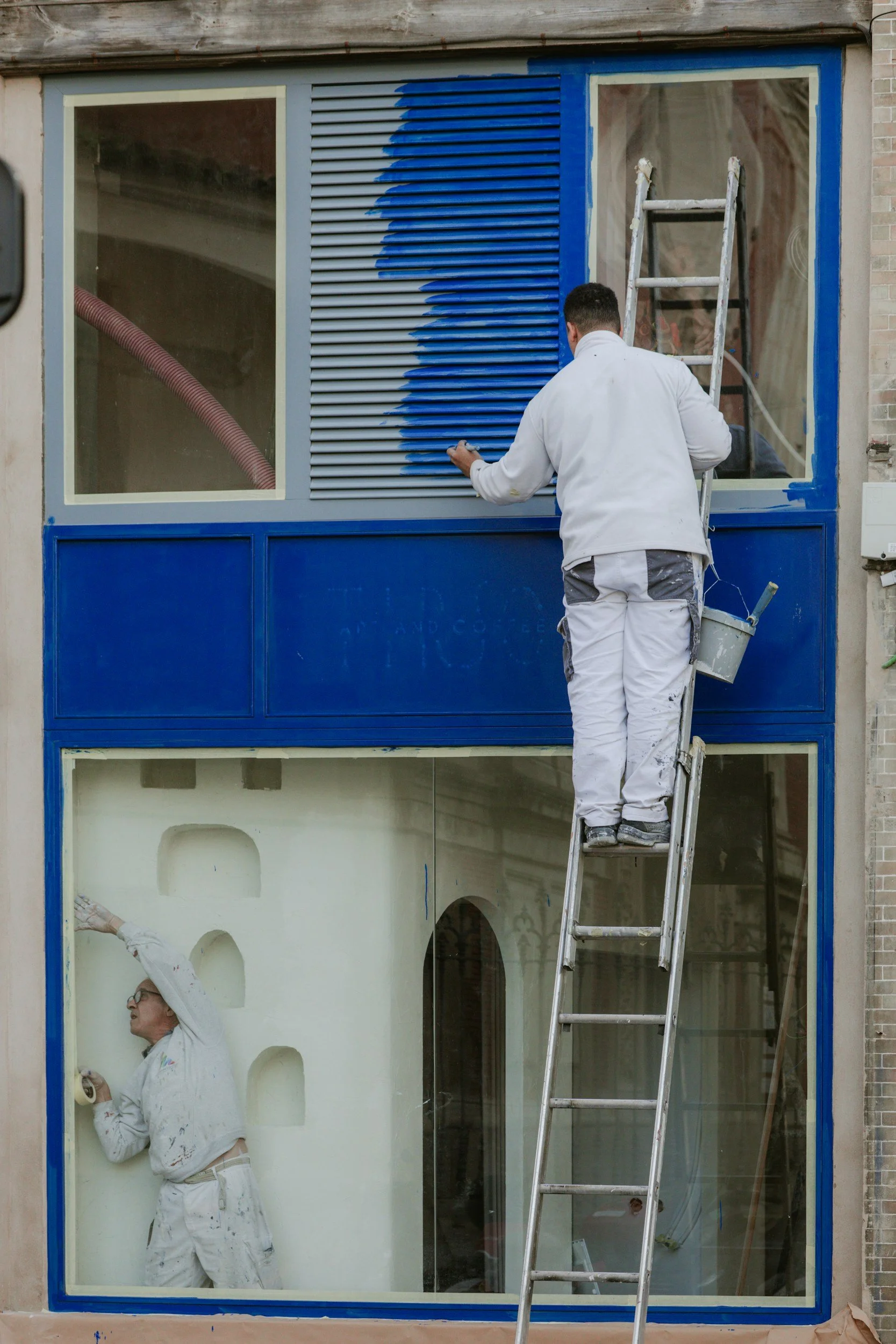
Best Interior Painting Company in Los Angeles: Professional Painting After Water, Fire & Mold Damage
A fresh coat of paint can completely transform a room, but after water, fire, or mold damage, professional painting involves much more than improving appearance. Successful restoration painting requires careful preparation, structural repairs, moisture verification, texture matching, stain blocking, and expert craftsmanship to ensure the damage doesn't return. At Vanguard Restoration, painting is one of the final and most important stages of the reconstruction process, helping homeowners and business owners restore their properties to a beautiful, safe, and fully finished condition. Proudly serving Los Angeles, Beverly Hills, Pasadena, Glendale, Burbank, Santa Monica, Culver City, West Hollywood, Manhattan Beach, Long Beach, and surrounding Los Angeles County communities, Vanguard Restoration provides professional interior painting and complete reconstruction services following water, fire, smoke, and mold damage.
Many homeowners believe painting is simply the last cosmetic step after repairs are completed. In reality, professional restoration painting begins long before the first coat of paint is applied. Every affected surface must first be inspected, professionally dried, repaired, and prepared to ensure hidden moisture, smoke residue, soot, or mold contamination has been completely addressed. Painting over damaged drywall, damp surfaces, or smoke contamination only hides the problem temporarily and often leads to peeling paint, staining, bubbling, recurring odors, mold growth, and additional repairs down the road.
Water damage is one of the most common reasons interior painting becomes necessary during reconstruction. Burst pipes, roof leaks, appliance failures, slab leaks, flooding, and plumbing problems frequently leave behind water stains, damaged drywall, peeling paint, and weakened wall surfaces. Before repainting begins, Vanguard Restoration performs moisture testing to verify the affected areas have been properly dried according to industry standards. Any damaged drywall, insulation, trim, or structural materials are repaired or replaced before painting begins, ensuring a long-lasting finish that protects your home for years to come.
Fire and smoke damage require an even more specialized approach. Smoke particles can penetrate drywall, wood trim, ceilings, insulation, and other porous materials, leaving behind stains and persistent odors that standard paint cannot eliminate. Professional restoration painting includes specialized smoke-sealing and stain-blocking primers designed to lock in smoke residue and prevent discoloration or odors from returning through the new finish. Simply painting over smoke damage without proper preparation almost always results in stains bleeding through the paint and smoke odors lingering inside the home.
Texture matching is another critical part of professional restoration painting. Many homes throughout Los Angeles feature a variety of wall and ceiling textures, including smooth finishes, orange peel, knockdown, skip trowel, hand textures, and custom finishes. Matching these textures requires experience, specialized tools, and careful attention to detail. Poor texture matching often leaves repair areas highly visible, even after painting has been completed. At Vanguard Restoration, our reconstruction specialists work carefully to blend repaired areas seamlessly with the surrounding surfaces so the finished walls and ceilings appear completely uniform.
Professional painting also depends on proper surface preparation. Walls must be cleaned, repaired, sanded, primed, and inspected before finish coats are applied. Cracks, nail holes, drywall seams, repaired textures, and patched surfaces all require careful preparation to create a smooth, durable finish. Skipping these steps may save time initially, but often results in uneven finishes, flashing, premature paint failure, and repairs that become obvious over time.
Color matching is another area where professional experience makes a significant difference. Whether homeowners wish to restore the original appearance of their property or take the opportunity to update their interior colors during reconstruction, our team carefully matches existing finishes or applies new color selections with precision and consistency throughout the home. Every room should flow naturally without obvious transition lines or repaired sections that stand out from the surrounding walls.
Painting is only one component of a complete reconstruction project. It works alongside drywall repair, texture matching, flooring installation, cabinet replacement, finish carpentry, trim installation, insulation replacement, and structural repairs to fully restore a property after damage. Coordinating all of these services under one experienced restoration company helps maintain quality, improve scheduling, reduce project delays, and provide homeowners with one trusted team throughout the entire reconstruction process.
Many insurance claims include coverage for professional painting when walls, ceilings, trim, or other finished surfaces have been damaged during a covered water, fire, or smoke loss. Working with a full-service restoration company like Vanguard Restoration simplifies the insurance process because our team documents the damage, communicates with adjusters, performs emergency mitigation, completes reconstruction, and finishes every project with expert painting and final detailing. This integrated approach helps homeowners avoid the stress of coordinating multiple contractors while ensuring consistent workmanship from beginning to end.
At Vanguard Restoration, we believe exceptional painting is about more than beautiful walls, it's about completing the restoration process with craftsmanship that restores confidence, comfort, and peace of mind. Our experienced reconstruction professionals proudly provide interior painting, drywall repair, texture matching, cabinet installation, finish carpentry, flooring replacement, smoke damage restoration, and complete reconstruction services throughout Los Angeles, Beverly Hills, Pasadena, Glendale, Burbank, Santa Monica, Culver City, West Hollywood, Manhattan Beach, Long Beach, and surrounding Los Angeles County communities.
If you're searching for the best interior painting company in Los Angeles after water, fire, or mold damage, Vanguard Restoration is ready to help. From emergency mitigation and structural drying to drywall repair, texture matching, premium interior painting, and complete property reconstruction, we restore homes and businesses with exceptional craftsmanship, attention to detail, and a commitment to delivering results that look as though the damage never happened.

Can I Stay in My Home During Water Damage Restoration? What Southern California Homeowners Need to Know
Discovering water damage in your home can be overwhelming, and one of the first questions many homeowners ask is whether it's safe to remain in the property during the restoration process. The answer depends on several factors, including the extent of the damage, the source of the water, the areas affected, and whether there are any immediate safety concerns. While some minor water losses may allow you to remain at home, larger restoration projects often require temporary relocation to protect your safety and allow restoration professionals to complete the work efficiently. At Vanguard Restoration, we help homeowners throughout Van Nuys, Los Angeles, Santa Clarita, Sherman Oaks, Encino, Burbank, Glendale, Pasadena, Woodland Hills, Calabasas, Thousand Oaks, and surrounding Southern California communities understand what to expect during every stage of the restoration process.
The size of the water loss is one of the biggest factors in determining whether you can safely stay in your home. A small plumbing leak confined to a single room may only require localized drying equipment, allowing the rest of the home to remain fully functional. However, widespread flooding, multiple affected rooms, or water that has entered structural components such as walls, ceilings, insulation, or flooring often requires extensive drying equipment operating around the clock. Commercial air movers, dehumidifiers, and other restoration equipment can generate significant noise, produce heat, and occupy large portions of the home, making day-to-day living difficult until mitigation is complete.
The source of the water is equally important. Clean water from a broken supply line is very different from contaminated water caused by sewage backups, overflowing toilets, or floodwaters. Category 2 and Category 3 water may contain bacteria, viruses, and other contaminants that can create serious health risks if not properly addressed. In these situations, professional containment, specialized cleaning, and sanitization are essential, and occupants are often advised to avoid the affected areas until remediation has been completed and the property is considered safe.
Electrical safety is another important consideration. Water and electricity create dangerous conditions, particularly when water reaches electrical outlets, wiring, appliances, or breaker panels. Restoration professionals carefully evaluate these hazards before beginning work, and in some situations electrical systems may need to be shut down until they can be safely inspected. Attempting to remain in a home with compromised electrical systems can increase the risk of injury and should never be taken lightly.
Water damage can also affect the structural integrity of a building. Saturated drywall, ceilings, flooring, insulation, cabinetry, and framing materials may become unstable depending on the severity and duration of the water intrusion. Restoration professionals inspect the property to identify structural concerns before beginning mitigation and will recommend temporary relocation if portions of the home are no longer considered safe for occupancy.
Another factor many homeowners don't consider is indoor air quality. Water damage creates ideal conditions for mold growth if building materials are not thoroughly dried. Even before visible mold appears, elevated humidity and damp materials can affect indoor comfort and contribute to unpleasant odors. During restoration, professional drying equipment, HEPA air filtration systems, and containment barriers help improve indoor air quality while preventing moisture-related problems from spreading throughout the property.
Families with young children, elderly adults, individuals with respiratory conditions, or anyone with compromised immune systems may benefit from temporarily relocating during larger restoration projects. Although every situation is different, reducing exposure to construction activity, elevated humidity, noise, dust, and ongoing restoration work often provides a safer and more comfortable environment while repairs are underway.
Many homeowners are concerned about whether insurance will cover temporary housing expenses if they cannot remain in the property. Every insurance policy is different, but some policies may provide coverage for additional living expenses when a home becomes temporarily uninhabitable due to a covered loss. Homeowners should review their individual policy and speak directly with their insurance provider to understand what benefits may apply to their specific situation.
One of the benefits of hiring a professional restoration company is receiving clear guidance throughout the entire process. At Vanguard Restoration, we perform a thorough inspection of every property to determine the extent of the damage, identify safety concerns, locate hidden moisture using advanced detection equipment, and develop a customized restoration plan. Our team explains each stage of the project, keeps homeowners informed throughout the process, and helps determine whether remaining in the home is practical or whether temporary relocation is the safer option.
Every water damage situation is unique, which is why there is no one-size-fits-all answer. Some projects can be completed with minimal disruption, while others require extensive emergency mitigation, structural drying, mold prevention, reconstruction, and coordination with insurance providers. The most important step is responding quickly before additional damage has an opportunity to develop.
If your home has experienced water damage, don't wait to determine the extent of the problem on your own. Vanguard Restoration provides 24-hour emergency water damage restoration, structural drying, emergency mitigation, mold remediation, and reconstruction services throughout Van Nuys, Los Angeles, Santa Clarita, Sherman Oaks, Encino, Burbank, Glendale, Pasadena, Woodland Hills, Calabasas, Thousand Oaks, and surrounding Southern California communities. Our experienced team will assess your property, explain your options, and help you safely navigate every stage of the restoration process with confidence.

My Insurance Company Is Trying to Drop Me After a Water Damage Claim in California, What Are My Rights?
Vanguard Environmental & Restoration — Homeowner's Guide
California law gives homeowners more protection than most people realize. Here is what your insurer is required to do — and what you can do if they do not.
By Vanguard Environmental & Restoration · June 2026 · vanguardrestoration.us · Van Nuys, CA
You filed a water damage claim. Your home flooded, a pipe burst, or a storm tore through your roof. You called your insurance company, the company you have been paying premiums to for years and now you are staring at a non-renewal notice wondering if you just lost your coverage for asking them to do their job.
It happens more than it should. And in 2026, with California's insurance crisis reshaping the market after the Palisades and Eaton fires, homeowners are understandably frightened. But fear and facts are two different things. California has some of the strongest homeowner insurance protections in the country and your insurer is required to follow them.
Here is exactly what the law says, what your rights are, and what steps to take right now if you have received a non-renewal or cancellation notice after filing a water damage claim.
75 Days notice required before non-renewal
2 Years renewal guaranteed after disaster total loss
$0 Cost to file a complaint with the CDI
"An insurance company cannot simply decide to drop you because you filed a claim. California law requires specific notice, documented reasons, and in many cases protects your right to renewal."
The law in plain language
What California actually requires your insurer to do
Most homeowners do not know the specific rules. They assume that because the insurance company sent a notice, there is nothing they can do. That assumption is wrong, and it is exactly what insurers are counting on.
75
Days of advance notice required
Under California Insurance Code Section 678, your insurer must give you at least 75 days written notice before your policy expires. If they fail to do this, your existing policy remains in effect at the same premium for 75 days from when the notice is finally delivered.
2
Years of guaranteed renewal after disaster
Under California Insurance Code Section 675.1, if your home suffered a total loss from a declared disaster, your insurer must offer to renew your coverage for the next two annual renewal periods. They cannot drop you while you are still rebuilding.
1
Year moratorium in fire-adjacent ZIP codes
If your property is located in or adjacent to a wildfire perimeter after a state of emergency, insurers cannot cancel or non-renew your policy for one full year, even if you did not suffer direct fire damage. Moratorium ZIP codes are published by the Department of Insurance.
★
Written reason required
California requires that any notice of non-renewal include a specific, documented reason, not just a vague reference to "underwriting guidelines." If your notice does not include a clear reason, that is a violation of the Insurance Code and grounds for a complaint.
The reality right now
Why this is happening to so many California homeowners in 2026
Since the Palisades and Eaton fires of January 2025, California's insurance market has been under enormous stress. Major carriers have pulled back from the state, tightened underwriting guidelines, and in some cases sent non-renewal notices to homeowners who have never filed a single claim, simply because of their ZIP code.
For homeowners who have filed water damage claims, the fear is understandably compounded. You needed your insurance to work, it did and now you worry you will lose it. But there is an important distinction to understand: non-renewal after a claim is different from being dropped mid-policy for cause. California law treats these situations very differently, and in most cases your insurer has significant obligations before they can walk away.
Understand the difference: cancellation vs. non-renewal. A mid-term cancellation, ending your policy before it expires, can only happen for very specific reasons: non-payment, fraud, or a material change in risk. A non-renewal is the insurer's decision not to continue coverage when your policy term ends. Both require written notice and a documented reason. Neither can be used to retaliate for filing a legitimate claim.
Filing a claim is not legal grounds for cancellation. California's Fair Claims Settlement Practices Act protects policyholders from retaliatory action. If you suspect your non-renewal is directly tied to your claim, document everything and file a complaint with the California Department of Insurance.
What to do right now
Your step-by-step action plan
Read the notice carefully and check the date: Confirm that the non-renewal notice was delivered at least 75 days before your policy expiration. If it was not, your policy legally continues at the same rate for 75 days after you received it, regardless of what the notice says.
Check whether your ZIP code is protected: Visit insurance.ca.gov and use the CDI's ZIP Code Moratorium Tool. If your property is in a fire-adjacent ZIP code from any recent declared state of emergency, your insurer may be legally prohibited from non-renewing your policy right now.
Demand the documented reason in writing: California law requires your insurer to provide a specific reason for non-renewal. If you have not received one, send a written request to your insurer and keep a copy. A vague reference to "underwriting changes" is not sufficient under the Insurance Code.
File a complaint with the California Department of Insurance: This costs nothing. Call 1-800-927-HELP or visit insurance.ca.gov. The CDI investigates complaints against insurers and has enforcement authority. Many homeowners do not know this step exists and many non-renewals are reversed after a complaint is filed.
Start shopping for replacement coverage immediately: Even if you are pursuing your rights, begin shopping on day one. Independent brokers have access to surplus market options that standard agents do not. Do not wait until your policy lapses, a coverage gap will make new policies more expensive and harder to obtain.
Know your FAIR Plan option as a last resort: If no private carrier will cover you, the California FAIR Plan provides basic fire and smoke coverage up to $3 million for residential properties. Note that the FAIR Plan does not cover water damage, liability, or theft, you will need to purchase a separate Difference in Conditions policy for comprehensive coverage. Reforms in 2026 are underway to expand FAIR Plan options.
The restoration side of the equation
Getting your property restored regardless of where the insurance fight stands
Here is something most homeowners do not realize: you do not have to wait for the insurance fight to resolve before beginning restoration work. In fact, California law requires you to take reasonable steps to mitigate further damage and if you delay, your insurer can use that delay to reduce or deny the claim.
Water damage does not pause while you sort out coverage. Within 48 hours of a water intrusion event, mold can begin to colonize wet organic materials. What starts as a $4,000 drying job can become a $40,000 mold remediation and rebuild if left unaddressed. The mitigation work protects your home and strengthens your claim at the same time.
At Vanguard Environmental and Restoration, we work directly with insurance companies and their adjusters. We document everything from the moment we arrive, moisture readings, photo logs, scope of damage, drying reports, so that your claim has the professional paper trail it needs to be paid in full. If your insurer is disputing the scope or cost of work, our documentation becomes your evidence.
"You do not have to choose between fighting your insurer and restoring your home. Both can happen simultaneously and delaying restoration only gives the insurer more leverage."
Resources
Where to get help in California
California Department of Insurance (CDI) — File complaints, check ZIP code moratoriums, verify insurer compliance: insurance.ca.gov or 1-800-927-HELP
United Policyholders — Nonprofit advocacy organization with free guides on California policyholder rights: uphelp.org
California FAIR Plan — Last-resort coverage for homeowners who cannot find private insurance: fairplan.org
California Insurance Code Section 678 — Governs non-renewal notice requirements.
California Insurance Code Section 675.1 — Governs disaster moratoriums and guaranteed renewal rights.
Water damage in your home? We respond 24 hours a day.
Vanguard Environmental and Restoration serves the San Fernando Valley, Los Angeles County, and surrounding areas. We work directly with your insurance company and document everything to protect your claim.
vanguardrestoration.us info@vanguardrestoration.us1-800-571-5021
VR
Vanguard Environmental & Restoration14435 Sherman Way, Unit 204, Van Nuys, CA 91405 · Serving LA County and the San Fernando Valley
This article is for informational purposes only and does not constitute legal advice. For specific legal questions about your insurance policy or rights, consult a licensed California attorney or contact the California Department of Insurance directly.
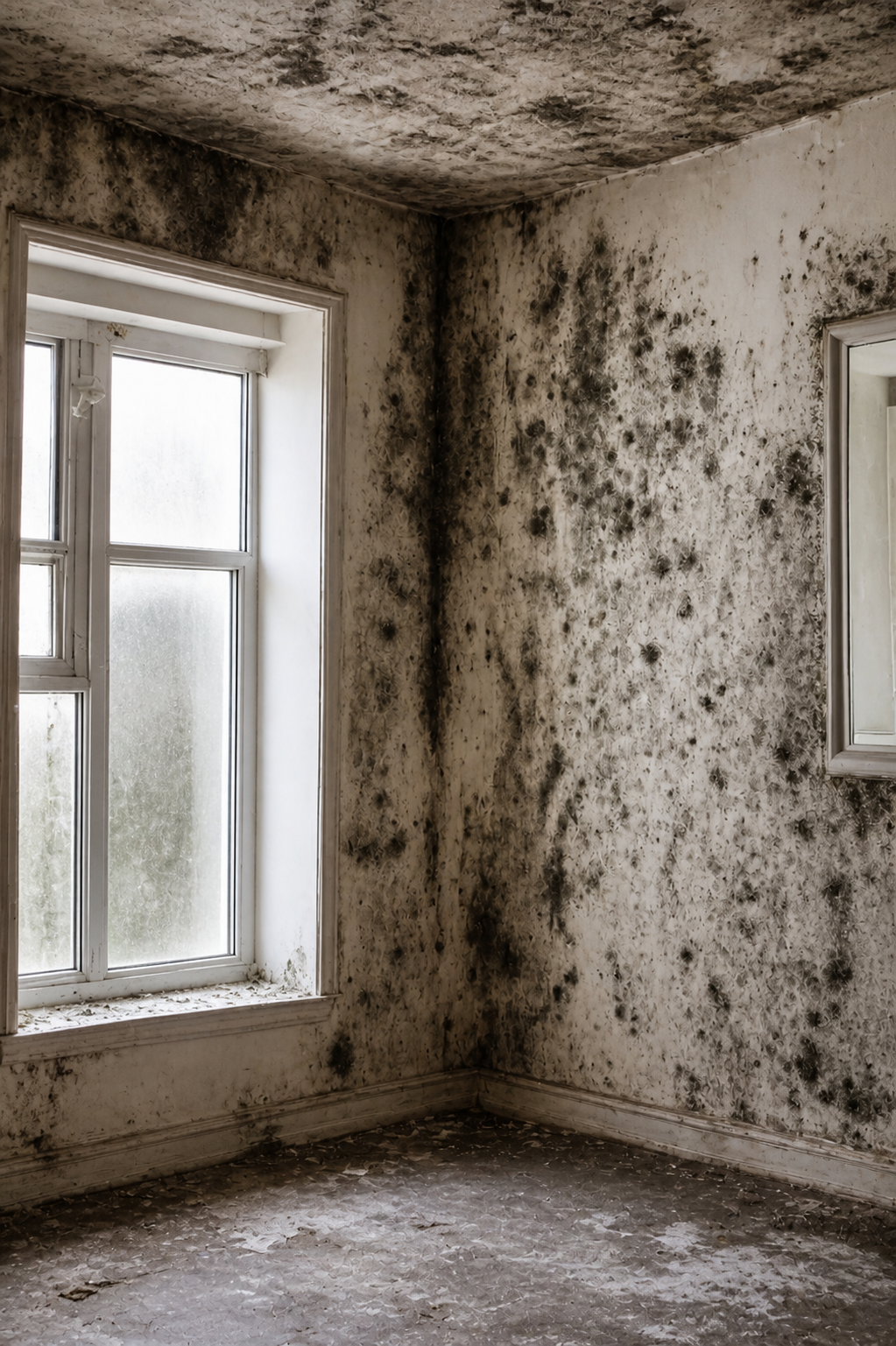
Can Mold Grow Behind Drywall? Hidden Mold Warning Signs Every Homeowner Should Know
Yes, mold can absolutely grow behind drywall, and it is one of the most common hidden problems found after water damage, plumbing leaks, roof leaks, slab leaks, flooding, or long-term moisture exposure. Because drywall is porous and capable of absorbing moisture quickly, it creates the perfect environment for hidden mold growth when water becomes trapped inside walls. In many cases, mold behind drywall develops silently for weeks or even months before homeowners realize there is a problem.
One of the biggest dangers of hidden mold behind drywall is that contamination often spreads out of sight while continuing to damage structural materials and impact indoor air quality throughout the property. By the time visible signs begin appearing on walls or ceilings, the mold problem may already extend into insulation, framing, subflooring, cabinetry, and surrounding structural areas.
For homeowners searching for mold remediation, hidden mold detection, mold inspection, water damage restoration, or mold removal in Southern California, understanding how mold develops behind drywall is critical to preventing larger restoration costs and long-term structural damage.
Drywall is especially vulnerable to moisture intrusion because of its paper backing and porous composition. Once moisture enters a wall cavity, mold spores naturally present in the environment can begin colonizing damp materials quickly. Under the right conditions, mold growth can begin developing within 24 to 48 hours after water exposure occurs. Dark enclosed spaces with limited airflow allow mold to continue spreading rapidly behind walls without immediate detection.
Plumbing leaks are one of the leading causes of mold growth behind drywall. Even a small pipe leak hidden inside a wall can slowly saturate drywall, insulation, and wood framing over time. Roof leaks can also introduce moisture behind ceilings and walls, particularly during storms or long-term roofing deterioration. Appliance leaks from dishwashers, washing machines, refrigerators, and water heaters frequently contribute to hidden mold contamination as well, especially when slow leaks go unnoticed for extended periods.
Flooding and water damage events are another major cause of mold growth behind drywall. Water intrusion from burst pipes, slab leaks, sewage backups, or storm-related flooding often penetrates walls and structural cavities where trapped moisture remains hidden long after surface materials appear dry. Without professional moisture detection and structural drying, mold contamination can continue spreading inside the property long after the initial water damage occurs.
One of the earliest warning signs of mold behind drywall is often a persistent musty odor that does not disappear after cleaning or ventilation. Many homeowners describe the smell as damp, earthy, stale, or mildew-like. In many cases, odor becomes noticeable before visible mold growth appears on the surface. Other signs may include bubbling paint, peeling drywall, discoloration, warped walls, soft drywall, ceiling staining, baseboard separation, or recurring moisture issues in the same area of the home.
Hidden mold can also negatively impact indoor air quality. Many property owners experience allergy symptoms, congestion, coughing, headaches, sinus irritation, respiratory discomfort, fatigue, or eye irritation without realizing hidden mold behind drywall may be contributing to these issues. Symptoms often become more noticeable in areas where moisture or contamination levels are highest.
One of the most dangerous aspects of mold behind drywall is that the contamination can continue expanding deeper into the structure if the moisture source is not properly identified and corrected. Insulation, wood framing, subfloors, cabinetry, and surrounding materials can all become compromised as moisture remains trapped inside wall cavities. Over time, this can lead to structural deterioration, worsening indoor air quality, recurring odors, and significantly higher restoration costs.
Many homeowners attempt to clean visible mold spots or repaint affected areas without realizing the contamination extends behind the drywall and throughout the structural system. Surface cleaning alone does not eliminate hidden mold growth or address the underlying moisture problem. Without proper remediation procedures, mold frequently returns and continues spreading behind the structure.
Professional mold inspection and mold remediation involve much more than simply removing visible contamination. Restoration professionals use specialized moisture detection equipment, thermal imaging cameras, hygrometers, and inspection procedures to locate hidden moisture and determine the full extent of contamination throughout the property. Proper mold remediation may involve containment barriers, HEPA filtration systems, air scrubbers, controlled demolition, removal of contaminated drywall and insulation, structural drying, sanitation procedures, and reconstruction services to safely restore the affected areas.
Structural drying is one of the most important parts of the remediation process because trapped moisture behind drywall can continue feeding mold growth if not completely removed. Industrial dehumidifiers, air movers, moisture monitoring systems, and professional drying equipment help stabilize the structure and reduce the likelihood of recurring contamination after remediation is complete.
At Vanguard Restoration, we provide professional mold inspection, moisture detection, mold remediation, structural drying, water damage restoration, and reconstruction services throughout Southern California. Our team focuses on identifying hidden moisture problems quickly, containing contamination safely, and restoring properties properly after water damage or mold-related emergencies.
If you suspect mold behind drywall or notice signs of hidden moisture inside your home or business, early intervention is critical. Fast professional response can help prevent larger structural issues, improve indoor air quality, reduce restoration costs, and stop hidden contamination from spreading further throughout the property.

How Long Does Mold Remediation Take? What Homeowners Should Expect
One of the most common questions homeowners ask after discovering mold is, “How long does mold remediation take?” The answer depends on several factors, including the size of the affected area, how long the mold has been growing, the source of moisture, the type of materials contaminated, and whether structural repairs are required after remediation is complete.
In some cases, small isolated mold problems can be addressed within a few days. More severe contamination involving multiple rooms, hidden moisture behind walls, HVAC systems, insulation, crawl spaces, or structural materials may take significantly longer. Every mold remediation project is different because no two moisture situations are exactly the same.
For homeowners searching for mold remediation in Southern California, understanding the remediation process is important because proper mold removal involves much more than simply cleaning visible surfaces.
Why Mold Remediation Takes Time
Mold remediation is not just about removing discoloration or treating visible mold spots. The process focuses on identifying the moisture source, preventing contamination from spreading, safely removing affected materials, improving indoor air quality, and restoring the property properly.
One of the biggest mistakes property owners make is rushing the process or attempting cosmetic cleanup without addressing hidden moisture issues. Even if mold appears to disappear temporarily, untreated moisture behind walls or under flooring often causes contamination to return.
Professional mold remediation requires multiple stages designed to ensure the issue is properly resolved.
The Mold Remediation Process
1. Inspection and Moisture Detection
The first step involves identifying the source of moisture and determining the extent of contamination. Restoration professionals use moisture meters, thermal imaging cameras, and inspection procedures to locate hidden mold growth and trapped moisture inside walls, ceilings, insulation, flooring systems, and structural cavities.
This phase is critical because mold frequently spreads into areas that are not immediately visible.
2. Containment Procedures
Once mold contamination is identified, containment barriers are often installed to prevent spores from spreading throughout the property during the remediation process.
Professional remediation teams may use:
Negative air pressure systems
HEPA air filtration devices
Containment walls
Air scrubbers
Protective safety equipment
Containment becomes especially important for larger mold remediation projects involving multiple rooms or HVAC exposure.
3. Removal of Contaminated Materials
Depending on the severity of the damage, affected drywall, insulation, flooring, cabinetry, or structural materials may need to be safely removed.
Porous materials that have absorbed mold contamination often cannot be fully restored and require demolition and replacement to prevent future mold growth and indoor air quality issues.
4. Structural Drying and Moisture Control
One of the most important stages of remediation is ensuring all moisture is properly removed from the structure. Industrial dehumidifiers, air movers, moisture monitoring systems, and drying equipment help stabilize the property and reduce the likelihood of mold returning.
Without proper drying, mold problems frequently reappear.
5. Cleaning, Sanitization, and Air Filtration
After contaminated materials are removed, affected areas are cleaned and sanitized using professional remediation methods designed to reduce contamination levels and improve indoor air quality.
HEPA vacuuming, antimicrobial treatments, air scrubbing, and odor removal procedures may all be part of the remediation process depending on the extent of the contamination.
6.Reconstruction and Repairs
Once remediation and drying are complete, reconstruction can begin. This may involve:
Drywall replacement
Flooring replacement
Baseboard installation
Painting
Cabinet repairs
Structural rebuilding
The reconstruction phase varies depending on how much material was affected during the mold contamination process.
Factors That Affect Mold Remediation Timeline
Several factors influence how long mold remediation may take:
Size of the Affected Area
Small isolated mold problems are typically resolved faster than large-scale contamination affecting multiple rooms or structural systems.
Extent of Hidden Moisture
Moisture trapped behind walls, under flooring, or inside insulation often increases remediation time because additional demolition and drying may be required.
Type of Materials Affected
Porous materials like drywall, insulation, carpet padding, and wood framing may require removal and replacement if contamination is extensive.
HVAC Contamination
If mold spores have spread through the HVAC system, remediation becomes more complex and time-consuming.
Structural Repairs Needed
Projects involving major reconstruction naturally take longer due to demolition, rebuilding, and finish work requirements.
Can Mold Remediation Be Completed Quickly?
Some companies may advertise extremely fast mold removal services, but proper remediation should never be rushed. The goal is not simply to make the mold less visible. The goal is to fully address the moisture issue, safely remove contamination, restore indoor air quality, and prevent the problem from returning.
Incomplete remediation often leads to recurring mold growth, ongoing odors, hidden moisture damage, and larger restoration costs later.
Professional Mold Remediation in Southern California
At Vanguard Restoration, we provide professional mold inspection, moisture detection, mold remediation, structural drying, reconstruction, and water damage restoration services throughout Southern California.
Our team focuses on identifying hidden moisture problems, safely containing contamination, restoring damaged areas, and helping homeowners protect their properties from long-term mold-related damage.
If you suspect mold inside your home or business, early professional intervention can help minimize structural damage, improve indoor air quality, and reduce the overall scope of restoration needed.
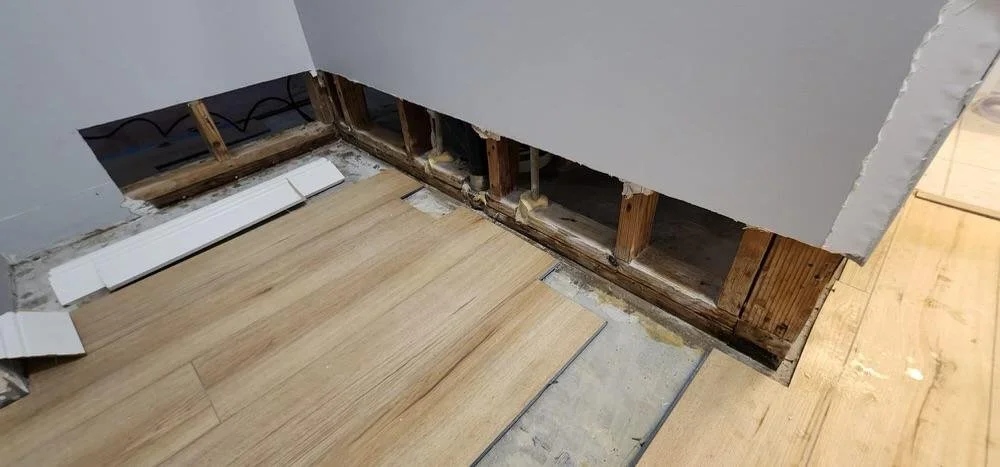
What Should I Do Immediately After Flooding? Emergency Steps Every Homeowner Should Know
Flooding can cause severe property damage within minutes, and the actions taken immediately afterward often determine how extensive the long-term damage becomes. Whether caused by storms, burst pipes, sewage backups, appliance failures, slab leaks, roof leaks, or overflowing drains, flood damage can quickly spread throughout a property and impact flooring, drywall, insulation, cabinetry, electrical systems, and structural materials.
For homeowners searching for emergency flood cleanup, water damage restoration, flood damage repair, or emergency water extraction in Southern California, acting quickly is critical to minimizing structural damage, mold growth, and restoration costs.
One of the first and most important priorities after flooding is safety. Standing water can create serious electrical hazards, especially if water reaches outlets, appliances, breaker panels, or electrical wiring. If it is safe to do so, power should be shut off to the affected areas before entering the flooded space. If there is any uncertainty regarding electrical safety, homeowners should avoid entering the area until professionals can assess the situation.
Floodwater may also contain dangerous contaminants depending on the source of the water intrusion. Sewage backups, storm flooding, and contaminated water exposure can introduce bacteria, chemicals, debris, and hazardous materials into the property. Direct contact with contaminated floodwater should always be avoided whenever possible.
Once safety is addressed, the next step is identifying and stopping the source of water intrusion if it is still active. Burst pipes, leaking appliances, overflowing fixtures, roof leaks, or plumbing failures should be shut off immediately to prevent additional water from continuing to spread throughout the structure.
Many homeowners underestimate how quickly water damage escalates after flooding occurs. Moisture can begin penetrating drywall, insulation, subfloors, wood framing, cabinetry, and flooring systems within a very short period of time. Even when surfaces appear dry, hidden moisture often remains trapped inside structural materials where mold growth and structural deterioration can begin developing within 24 to 48 hours.
One of the most common mistakes homeowners make after flooding is attempting to handle large-scale water removal or drying without professional equipment. Household fans and basic cleanup methods are often insufficient for removing hidden moisture trapped beneath flooring, behind walls, or inside structural cavities. Without proper drying and moisture detection, water damage can continue spreading long after visible water disappears.
Professional flood cleanup and water damage restoration involve much more than simply removing standing water. Restoration professionals use industrial extraction equipment, moisture detection systems, thermal imaging technology, commercial dehumidifiers, and structural drying equipment to properly stabilize the property and reduce the risk of long-term damage.
During the initial mitigation process, affected materials may need to be removed to allow proper drying and prevent contamination from spreading. Carpet padding, drywall, insulation, flooring materials, and cabinetry may all become compromised depending on the severity of the flooding and how long moisture remains untreated.
One of the biggest concerns after flooding is mold growth. Mold thrives in damp, enclosed environments and can begin developing quickly when moisture is not fully removed. Hidden moisture trapped behind walls, under flooring, inside insulation, or within ceilings often creates ideal conditions for mold contamination even after visible water appears gone.
Documenting the damage is also extremely important after flooding occurs. Homeowners should take photos and videos of all affected areas, damaged belongings, standing water, and visible structural issues before cleanup or demolition begins whenever possible. Proper documentation can help support insurance claims and restoration assessments.
Insurance providers often require detailed records of the damage, mitigation process, and restoration work completed throughout the project. Fast mitigation is also critical because delayed response can sometimes impact insurance claim outcomes if additional preventable damage occurs due to lack of action.
The severity of flood damage depends on multiple factors, including the category of water involved, how long the property remained exposed to moisture, the materials affected, and the speed of mitigation response. Clean water from supply lines presents different risks compared to contaminated sewage backups or storm flooding, which often require additional sanitation and remediation procedures.
Professional flood restoration may include:
Emergency water extraction
Structural drying
Moisture detection
Demolition and debris removal
Mold prevention and remediation
Air filtration and sanitation
Drywall and insulation replacement
Flooring replacement
Reconstruction services
Odor removal
Insurance coordination
At Vanguard Restoration, we provide emergency flood cleanup, water damage restoration, structural drying, mold remediation, reconstruction, and restoration services throughout Southern California. Our team focuses on rapid response, professional mitigation, and restoring properties safely and efficiently after water-related emergencies.
Flood damage can become significantly worse the longer moisture remains untreated. Fast professional response helps reduce structural deterioration, minimize mold growth, improve restoration outcomes, and protect the long-term integrity of the property after flooding occurs.
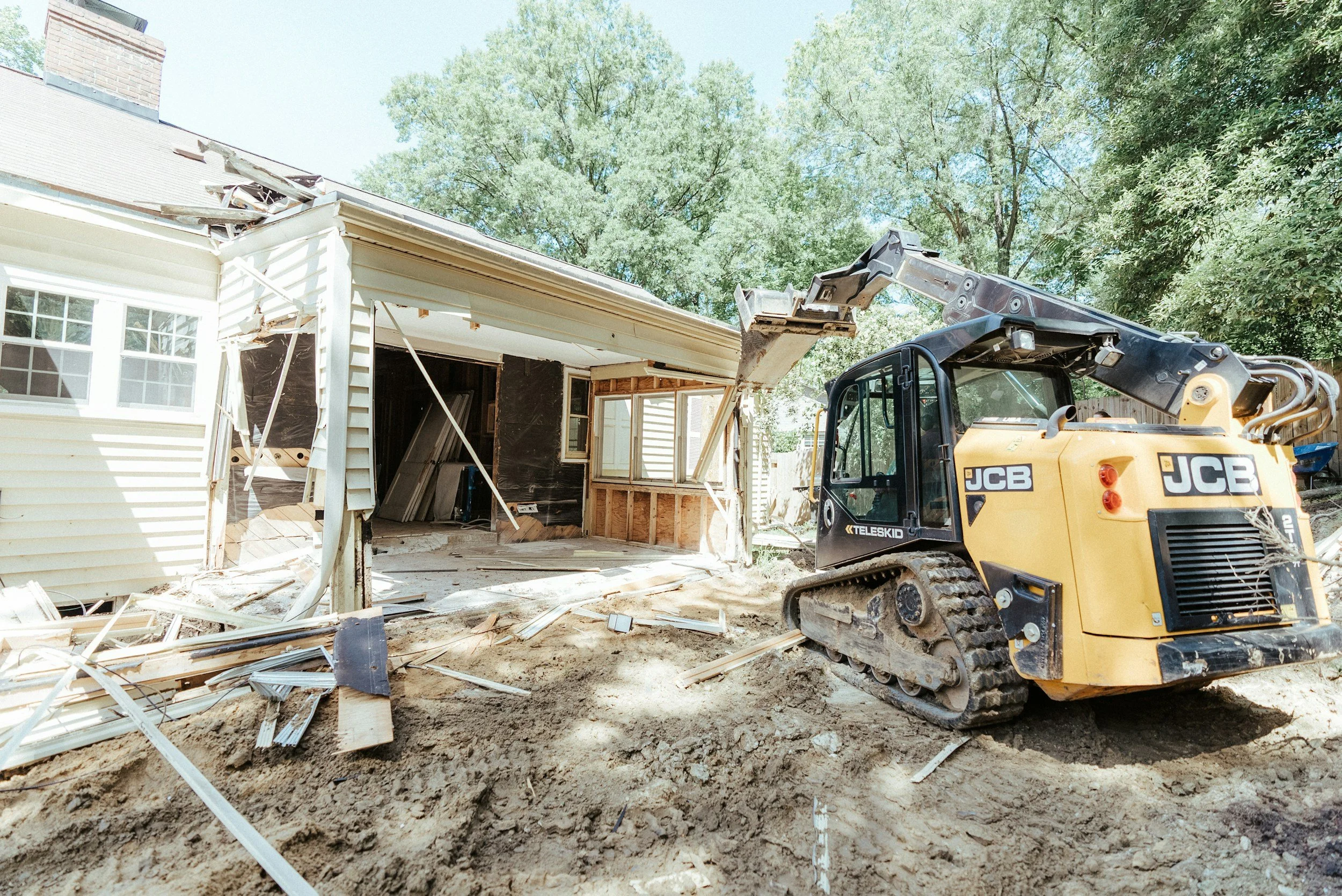
Property Damage Restoration
Property Damage Restoration FAQ
What should I do immediately after property damage?
Your first priority should always be safety. If the damage was caused by a fire, flooding, storm, sewage backup, or another emergency, evacuate the affected area if necessary and contact emergency services or your utility provider if there are immediate hazards. Once it is safe to do so, call a professional property damage restoration company like Vanguard Restoration. Acting quickly helps minimize additional damage, reduces restoration costs, and increases the likelihood that building materials and personal belongings can be saved.
How quickly should property damage be repaired?
Property damage should be addressed as soon as possible. Water damage can begin causing structural deterioration within hours, mold can start developing within 24 to 48 hours under the right conditions, and smoke, soot, and sewage contamination become increasingly difficult to remove the longer they remain. Fast mitigation and restoration can significantly reduce repair costs while preventing secondary damage.
What types of property damage does Vanguard Restoration handle?
Vanguard Restoration provides comprehensive residential and commercial property damage restoration services, including water damage restoration, flood cleanup, fire and smoke damage restoration, mold remediation, sewage cleanup, storm damage restoration, structural drying, reconstruction, drywall repair, flooring replacement, interior painting, finish carpentry, cabinet installation, and complete property reconstruction throughout Northern and Southern California.
Does homeowners insurance cover property damage?
Many property damage claims are covered by homeowners insurance depending on the cause of the loss and the terms of your policy. Sudden and accidental events such as burst pipes, certain storm damage, fire damage, and accidental water leaks are commonly covered, while gradual damage resulting from deferred maintenance may not be. Vanguard Restoration assists property owners by documenting damage, preparing detailed estimates, and working directly with insurance adjusters throughout the claims process.
Can I stay in my home during property damage restoration?
It depends on the extent of the damage. Minor restoration projects may allow you to remain in your home, while severe water damage, fire damage, sewage contamination, or mold remediation projects may require temporary relocation for safety reasons. Your restoration team will evaluate the condition of the property and recommend the safest course of action.
How long does property damage restoration take?
Every restoration project is different. Minor water damage may be completed within several days, while extensive fire damage or full reconstruction projects may require several weeks or months. Factors such as the type of damage, affected materials, moisture levels, insurance approvals, and reconstruction requirements all influence the overall timeline.
What happens during the property damage restoration process?
The restoration process typically begins with a thorough inspection and damage assessment, followed by emergency mitigation to prevent additional damage. Standing water is extracted when necessary, affected materials are dried, contaminated materials are removed, and the property is cleaned, sanitized, deodorized, and prepared for reconstruction. Once mitigation is complete, damaged drywall, flooring, cabinets, trim, paint, and structural components are repaired or replaced to restore the property to its pre-loss condition.
Is water damage always visible?
No. Water frequently travels behind walls, beneath flooring, inside ceilings, and through structural framing before visible signs appear. Professional moisture meters, thermal imaging cameras, and moisture mapping equipment allow restoration professionals to identify hidden water damage that could otherwise lead to mold growth, wood rot, and structural deterioration.
Can water damage lead to mold?
Yes. Mold can begin developing within 24 to 48 hours when moisture remains trapped inside building materials. Even if surfaces appear dry, hidden moisture behind drywall, under flooring, or inside insulation can continue feeding mold growth. Prompt drying and professional moisture monitoring are essential to preventing future mold problems.
What is the difference between water damage restoration and property reconstruction?
Water damage restoration focuses on emergency mitigation, water extraction, drying, cleaning, and preventing additional damage. Reconstruction begins after mitigation is complete and involves repairing or rebuilding damaged portions of the property, including drywall, flooring, cabinets, trim, painting, and structural components. Vanguard Restoration provides both services, allowing clients to work with one trusted contractor from start to finish.
Why shouldn't I clean up sewage damage myself?
Sewage backups contain harmful bacteria, viruses, parasites, and contaminants classified as Category 3 Black Water. Exposure can create significant health risks and permanently contaminate porous building materials. Professional restoration companies use specialized protective equipment, containment procedures, commercial disinfectants, HEPA air filtration, and advanced drying equipment to safely restore contaminated properties.
What are the signs I need professional property damage restoration?
Signs include standing water, musty odors, visible mold growth, smoke odors, soot residue, warped flooring, bubbling paint, stained ceilings, sagging drywall, roof leaks, sewage backups, damp carpets, structural cracking after storms, or any visible signs of water intrusion. Even if the damage appears minor, hidden moisture can continue causing problems long after the initial incident.
Why choose Vanguard Restoration?
Vanguard Restoration provides 24/7 emergency response, certified restoration professionals, advanced drying and moisture detection equipment, complete mitigation and reconstruction services, insurance claim assistance, and exceptional customer service throughout Northern and Southern California. From emergency response to the final stages of reconstruction, our experienced team is committed to restoring your property safely, efficiently, and with the highest level of craftsmanship.
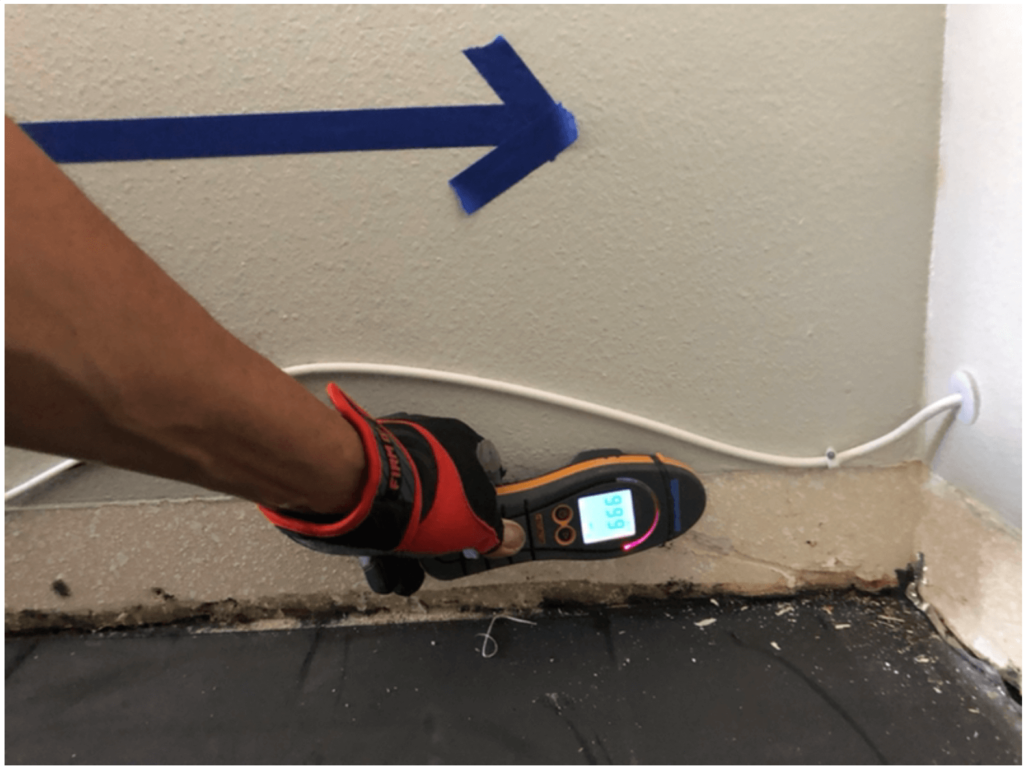
How Much Does Water Damage Restoration Cost? What Homeowners Should Expect
One of the most common questions homeowners ask after experiencing flooding, burst pipes, roof leaks, slab leaks, appliance failures, or other water-related emergencies is, “How much does water damage restoration cost?” The answer depends on several important factors, including the severity of the damage, how long moisture has been present, the type of water involved, the materials affected, and the amount of reconstruction required after mitigation is complete.
Water damage restoration costs can vary significantly from one project to another because no two water damage situations are exactly the same. A small isolated leak inside one room is very different from large-scale flooding affecting multiple structural areas throughout a property.
For homeowners searching for water damage restoration costs, flood cleanup pricing, emergency water extraction services, or structural drying in Southern California, understanding what impacts restoration pricing can help explain why professional mitigation and fast response are so important.
One of the biggest factors affecting water damage restoration cost is the extent of moisture intrusion throughout the property. Water spreads quickly through drywall, flooring, insulation, cabinetry, ceilings, and structural materials. Even when visible damage appears limited, hidden moisture behind walls or beneath flooring may significantly increase the scope of mitigation and drying required.
The longer moisture remains untreated, the more severe the damage often becomes. Delayed response frequently leads to:
Mold growth
Structural deterioration
Flooring failure
Drywall damage
Odor contamination
Additional demolition
Larger reconstruction needs
This is one of the reasons emergency mitigation and fast structural drying are critical after water damage occurs.
The category of water involved also impacts restoration cost. Clean water from broken supply lines generally presents lower contamination risks compared to sewage backups, storm flooding, or contaminated Category 3 water damage. Contaminated water situations often require specialized sanitation procedures, additional protective measures, debris removal, and more extensive demolition due to health and safety concerns.
Another major factor is the type of materials affected. Hardwood flooring, cabinetry, insulation, drywall, tile systems, carpet padding, ceilings, and subfloors all respond differently to moisture exposure. Some materials may be salvageable with professional drying, while others may require complete removal and replacement depending on the extent of the damage.
Structural drying is one of the most important components of professional water damage restoration. Restoration professionals use industrial dehumidifiers, moisture detection equipment, thermal imaging systems, air movers, and moisture monitoring technology to properly stabilize the structure and reduce the risk of long-term damage or mold growth.
In many cases, homeowners underestimate how much hidden moisture exists inside the structure after flooding or leaks occur. Moisture trapped beneath flooring, inside insulation, behind drywall, or within framing systems often requires professional demolition and drying procedures to fully resolve the problem.
Mold remediation may also become necessary if moisture remains untreated for too long. Mold can begin developing within 24 to 48 hours after water exposure under the right conditions, significantly increasing restoration complexity and overall project costs.
Reconstruction requirements also play a major role in pricing. After mitigation and drying are complete, reconstruction may involve:
Drywall replacement
Flooring installation
Baseboard replacement
Cabinet repairs
Painting
Framing repairs
Ceiling reconstruction
Finish carpentry
Full room rebuilds
The amount of reconstruction required depends on how severely the property was affected during the water damage event.
Insurance coverage can also impact out-of-pocket costs for homeowners. Many water damage restoration projects involve insurance claims depending on the cause of the damage and the specific policy coverage involved. Sudden and accidental water damage is often treated differently than long-term neglected leaks or maintenance-related issues.
Professional restoration companies frequently assist with documentation, moisture reporting, photo records, and communication related to insurance restoration claims. Proper documentation during mitigation is critical because insurance providers often require detailed records of the damage and restoration process.
One of the biggest mistakes homeowners make after water damage is delaying professional mitigation in an attempt to reduce costs. Unfortunately, untreated moisture often leads to significantly larger restoration expenses later due to structural deterioration, mold growth, and additional material failure throughout the property.
Professional water damage restoration is designed not only to remove visible water but also to identify hidden moisture, stabilize the structure, prevent mold contamination, restore indoor air quality, and safely rebuild affected areas.
At Vanguard Restoration, we provide emergency water damage restoration, flood cleanup, structural drying, mold remediation, reconstruction, and insurance restoration support throughout Southern California. Our team focuses on fast response, accurate moisture detection, professional mitigation, and restoring properties safely and efficiently after water-related emergencies.
Every water damage situation is different, which is why professional inspection and moisture assessment are critical in determining the true scope of restoration needed. Fast action after water damage occurs can significantly reduce structural deterioration, minimize mold risks, improve restoration outcomes, and help control long-term repair costs.

Is Water Damage Dangerous? What Homeowners Need to Know About Hidden Risks
Water damage is far more dangerous than many homeowners realize. What may initially appear to be a minor leak, small flood, or isolated moisture issue can quickly develop into serious structural damage, mold contamination, electrical hazards, indoor air quality problems, and long-term property deterioration if not addressed properly.
For homeowners searching for water damage restoration, emergency flood cleanup, mold remediation, structural drying, or water mitigation services in Southern California, understanding the risks associated with water damage is critical to protecting both the property and the health of those inside it.
One of the biggest misconceptions about water damage is assuming that if surfaces appear dry, the danger has passed. In reality, moisture often spreads behind walls, beneath flooring, inside insulation, under cabinetry, and throughout structural cavities where it remains hidden long after visible water disappears. Without professional moisture detection and structural drying, hidden water intrusion can continue damaging the property silently over time.
One of the most immediate dangers associated with water damage is electrical risk. Water and electricity create extremely hazardous conditions, especially when flooding reaches outlets, appliances, electrical wiring, breaker panels, or HVAC systems. Entering flooded areas without properly shutting off power can expose occupants to serious electrical shock hazards.
Structural deterioration is another major concern following water damage. Drywall, wood framing, insulation, subfloors, ceilings, cabinetry, and flooring materials are all highly vulnerable to moisture exposure. As water penetrates these materials, they begin weakening and deteriorating, potentially compromising the structural stability of the property over time.
Flooring systems are especially susceptible to damage after water intrusion. Hardwood floors may warp, buckle, or separate. Laminate flooring can swell and lift, while carpet padding often traps moisture, bacteria, and contaminants beneath the surface. Subfloors may weaken significantly if moisture remains untreated, increasing the risk of long-term structural issues.
One of the most dangerous long-term consequences of untreated water damage is mold growth. Mold can begin developing within 24 to 48 hours when moisture is trapped inside enclosed structural areas. Hidden mold contamination frequently develops behind drywall, beneath flooring, inside insulation, or within ceiling cavities where it may remain undetected until odors, health symptoms, or visible damage begin appearing.
Mold exposure can negatively impact indoor air quality and may contribute to respiratory irritation, coughing, congestion, headaches, sinus pressure, allergy symptoms, and other health-related concerns for occupants. Individuals with asthma, allergies, compromised immune systems, or respiratory sensitivities are often especially vulnerable to mold-related air quality issues.
The type of water involved also affects the level of danger associated with water damage. Clean water from broken supply lines presents different risks than contaminated water from sewage backups, storm flooding, or overflowing drains. Contaminated floodwater may contain bacteria, pathogens, chemicals, debris, and hazardous contaminants that require specialized sanitation and remediation procedures.
Another hidden danger of water damage is how quickly it spreads throughout a property. Water naturally travels into surrounding structural materials, meaning the visible affected area is often much smaller than the actual extent of moisture intrusion. Walls, ceilings, insulation, flooring systems, and adjacent rooms may all become affected without immediately visible warning signs.
Many homeowners attempt DIY cleanup after water damage occurs without realizing that household fans and surface drying methods are often insufficient for properly removing hidden moisture. Without professional mitigation equipment, trapped moisture can remain inside the structure and continue causing damage even after surfaces appear dry.
Professional water damage restoration involves much more than simply removing standing water. Proper mitigation typically includes moisture mapping, thermal imaging inspections, water extraction, industrial dehumidification, structural drying, controlled demolition when necessary, air filtration, sanitation, mold prevention, and reconstruction services to safely restore the property.
Fast response after water damage is critical because the severity of damage often increases dramatically the longer moisture remains untreated. Delayed mitigation can result in:
Mold growth
Structural weakening
Flooring failure
Ceiling collapse
Drywall deterioration
Electrical hazards
Persistent odors
Increased restoration costs
Indoor air quality problems
Insurance claims can also become more complicated when water damage is left untreated for extended periods. Many insurance providers expect homeowners to take reasonable steps to mitigate additional preventable damage after water intrusion occurs.
At Vanguard Restoration, we provide emergency water damage restoration, flood cleanup, structural drying, mold remediation, reconstruction, and restoration services throughout Southern California. Our team focuses on identifying hidden moisture issues quickly, minimizing structural damage, and restoring properties safely and efficiently after water-related emergencies.
Water damage should never be ignored or underestimated. Even small leaks can develop into significant structural and health-related issues when hidden moisture remains untreated inside the property. Professional mitigation and fast response are essential to protecting both the structure and the long-term safety of the home or business after water damage occurs.
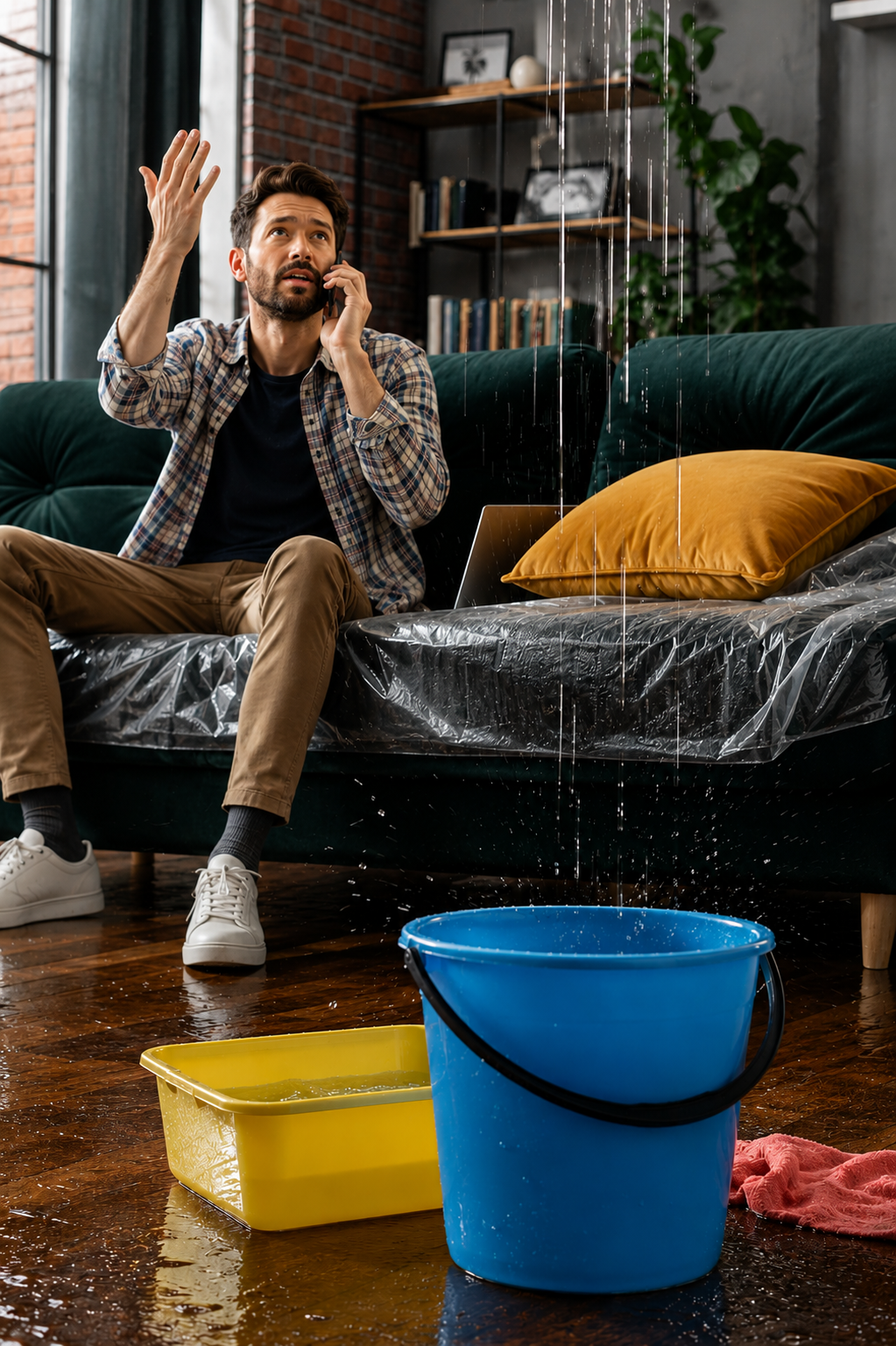
The Hidden Dangers of Roof Leaks: Why Fast Action Can Save Your Home
A roof leak may begin as nothing more than a small water stain on the ceiling or an occasional drip during heavy rain, but what many homeowners don't realize is that the visible leak is often only a fraction of the actual damage occurring inside the structure. Water can travel through insulation, roof decking, framing, wall cavities, and ceilings long before it becomes visible inside your home. By the time you notice water dripping into a room, moisture may have already spread throughout large portions of your property. At Vanguard Restoration, we help homeowners and businesses throughout Los Angeles, Pasadena, Glendale, Burbank, Santa Clarita, Beverly Hills, Culver City, Santa Monica, Long Beach, and surrounding Los Angeles County communities quickly respond to roof leaks before they become major restoration projects.
One of the biggest dangers of a roof leak is hidden moisture. Water rarely travels straight down. Instead, it follows the path of least resistance, moving along rafters, trusses, insulation, electrical wiring, and framing before eventually appearing on a ceiling or wall. This means the location where you see water may be several feet away from the actual source of the leak. Professional moisture mapping and thermal imaging allow restoration specialists to locate hidden moisture that cannot be detected through visual inspection alone, ensuring the entire affected area is properly dried and restored.
Roof leaks also create the perfect conditions for mold growth. Moisture trapped inside attics, insulation, drywall, and wall cavities can remain unnoticed for days or even weeks if the leak is not addressed immediately. Mold only needs moisture and an organic food source to begin growing, and common building materials such as drywall, wood framing, and insulation provide exactly that. Once mold begins spreading, restoration becomes significantly more complex and expensive than addressing the original roof leak.
Structural damage is another concern homeowners often underestimate. Continuous moisture exposure weakens roof decking, wood framing, ceiling joists, and structural supports over time. Wood begins to swell, warp, rot, and lose its strength while fasteners may corrode and drywall starts softening and deteriorating. Left untreated, what begins as a relatively small leak can eventually require extensive reconstruction involving roofing repairs, framing replacement, drywall installation, flooring replacement, finish carpentry, and interior painting.
Electrical hazards should never be overlooked after a roof leak. Water entering ceilings and walls can come into contact with electrical wiring, outlets, lighting fixtures, ceiling fans, and breaker panels. This increases the risk of short circuits, equipment damage, and potential fire hazards. If water is actively leaking near electrical components, homeowners should avoid the affected area and contact qualified professionals immediately to ensure the property remains safe.
Interior finishes are often among the first visible signs of roof leak damage. Water stains, peeling paint, bubbling drywall, sagging ceilings, warped flooring, swollen cabinetry, and damaged trim frequently indicate moisture has already penetrated deeper into the structure. Simply repainting stained ceilings or patching damaged drywall without addressing the hidden moisture only masks the problem temporarily. Professional restoration focuses on identifying and correcting the underlying damage before cosmetic repairs begin.
Many homeowners believe fixing the roof immediately solves the entire problem. While repairing the roof stops additional water from entering the property, it does not remove moisture that has already penetrated the building materials. Wet insulation, damp framing, saturated drywall, and hidden moisture pockets must still be professionally dried using commercial dehumidifiers, air movers, moisture meters, and thermal imaging equipment. Without proper structural drying, mold growth and secondary damage can continue long after the roof has been repaired.
Insurance often covers water damage resulting from sudden and accidental roof leaks, depending on the cause of the loss and the details of the policy. Professional documentation, moisture readings, photographs, and mitigation reports play an important role in supporting insurance claims and helping property owners navigate the restoration process. Working with an experienced restoration company ensures emergency mitigation begins immediately while proper documentation is collected throughout every phase of the project.
At Vanguard Restoration, we provide complete roof leak restoration services from emergency response through final reconstruction. Our experienced team performs emergency water extraction, structural drying, moisture mapping, mold remediation when necessary, drywall replacement, texture matching, interior painting, flooring restoration, finish carpentry, cabinet installation, and complete property reconstruction. By managing every stage of the restoration process under one roof, we help homeowners avoid unnecessary delays while restoring their properties safely and efficiently.
A small roof leak should never be ignored because the damage hidden behind your walls and ceilings is often far greater than what you can see. The sooner professional restoration begins, the greater the opportunity to minimize damage, reduce repair costs, prevent mold growth, and protect your property's long-term value. If you've discovered a roof leak in your home or business, contact Vanguard Restoration immediately. Proudly serving Los Angeles, Pasadena, Glendale, Burbank, Santa Clarita, Beverly Hills, Culver City, Santa Monica, Long Beach, and surrounding Los Angeles County communities, we're available to help restore your property quickly, professionally, and with the exceptional craftsmanship your home deserves.
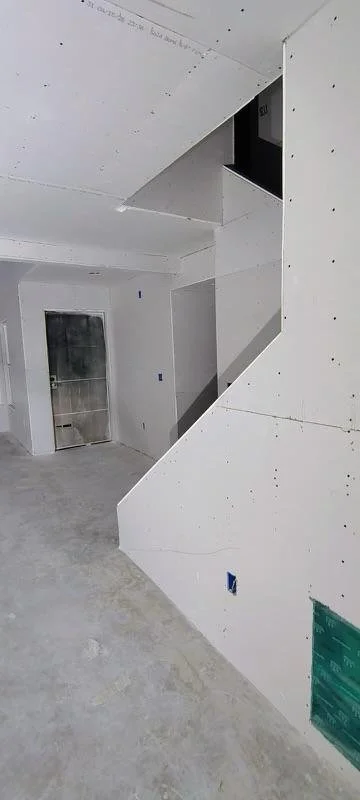
How Do Professionals Dry Walls? Understanding the Structural Drying Process After Water Damage
When water damage affects a home or commercial property, one of the most important parts of the restoration process is properly drying the walls and surrounding structural materials. Many homeowners assume that once visible water is removed and surfaces feel dry to the touch, the problem has been resolved. In reality, moisture often remains trapped deep inside drywall, insulation, framing, and wall cavities where it can continue causing structural damage and mold growth long after the initial water intrusion occurs.
For homeowners searching for structural drying, water damage restoration, emergency water mitigation, or wall drying services in Southern California, understanding how professionals dry walls after flooding or leaks is critical to preventing long-term damage and costly repairs.
Drywall is highly porous and absorbs moisture quickly when exposed to flooding, burst pipes, roof leaks, slab leaks, appliance failures, or excess humidity. Once water enters the wall system, moisture spreads into surrounding materials including insulation, wood framing, baseboards, flooring systems, and adjacent structural cavities. Without proper drying procedures, hidden moisture can remain trapped inside the structure for weeks.
One of the biggest dangers of improperly dried walls is mold growth. Mold can begin developing within 24 to 48 hours after water exposure under the right conditions. Because wall cavities are dark, enclosed environments with limited airflow, they often become ideal locations for hidden mold contamination when moisture is left untreated.
Professional structural drying involves much more than simply placing fans near wet areas. Restoration professionals use specialized equipment, moisture detection technology, airflow calculations, and controlled drying methods designed to remove hidden moisture from inside the structure safely and efficiently.
The first step in professional wall drying is determining the extent of water intrusion throughout the affected areas. Restoration professionals use moisture meters, thermal imaging cameras, hygrometers, and moisture mapping procedures to identify trapped moisture inside drywall, insulation, framing, ceilings, and flooring systems.
One of the most important aspects of structural drying is identifying hidden moisture that may not be visible on the surface. In many situations, walls may appear dry externally while significant moisture remains trapped inside the wall cavity behind the drywall.
Once moisture levels are assessed, mitigation professionals begin removing standing water and stabilizing the affected areas. Depending on the severity of the damage, baseboards, insulation, drywall sections, or flooring materials may need to be removed to allow proper airflow and drying access inside the structure.
Professional drying equipment typically includes:
Industrial air movers
Commercial dehumidifiers
HEPA filtration systems
Air scrubbers
Moisture monitoring equipment
Specialized wall cavity drying systems
Air movers help create high-velocity airflow across wet surfaces to accelerate evaporation. Commercial dehumidifiers remove moisture from the air itself, preventing excess humidity from slowing the drying process or spreading moisture into unaffected areas.
In many situations, professionals use controlled demolition procedures to expose trapped moisture inside walls. Small access openings may be created to improve airflow inside wall cavities and allow hidden moisture to escape more efficiently during drying.
Moisture monitoring is one of the most important parts of the process. Restoration professionals continuously track moisture readings throughout the drying period to ensure structural materials are returning to acceptable moisture levels. Drying is not complete simply because surfaces appear dry visually. Proper moisture verification helps reduce the risk of mold growth, structural deterioration, and recurring moisture problems later.
The amount of time required to dry walls depends on several factors including:
Severity of water intrusion
Type of materials affected
Humidity levels
Airflow conditions
Temperature
Extent of hidden moisture
Whether insulation or structural materials are saturated
In some situations, walls may dry within a few days. More severe water damage involving widespread saturation or hidden moisture behind multiple structural systems may require longer mitigation and drying periods.
One of the most common mistakes homeowners make after water damage is attempting to dry walls using household fans or basic cleanup methods alone. While surface moisture may appear gone, trapped moisture behind drywall and inside structural cavities often remains untreated without professional equipment and moisture detection procedures.
Improper drying frequently leads to:
Mold growth
Warped drywall
Odor contamination
Structural weakening
Paint failure
Insulation damage
Recurring moisture problems
Increased restoration costs
Professional structural drying is designed to stabilize the property, remove hidden moisture, protect indoor air quality, and prevent long-term structural damage after water intrusion occurs.
At Vanguard Restoration, we provide professional structural drying, emergency water mitigation, moisture detection, flood cleanup, mold remediation, and reconstruction services throughout Southern California. Our team uses advanced drying equipment and professional restoration procedures to identify hidden moisture and restore properties safely and efficiently after water damage emergencies.
Fast professional drying after water damage is critical to minimizing structural deterioration, preventing mold growth, improving restoration outcomes, and protecting the long-term integrity of the property.

What Is Secondary Water Damage? The Hidden Damage Homeowners Often Miss
Secondary water damage refers to the additional damage that develops after the initial water intrusion occurs when moisture is not removed quickly and properly. While the original damage may begin with flooding, burst pipes, roof leaks, slab leaks, appliance failures, sewage backups, storm flooding, or plumbing leaks, secondary damage continues spreading throughout the property over time as hidden moisture remains trapped inside structural materials.
For homeowners searching for secondary water damage, hidden moisture damage, mold growth after flooding, water mitigation, flood cleanup, or water damage restoration in Southern California, understanding secondary damage is critical because it is often far more expensive and dangerous than the original water intrusion itself.
One of the biggest misconceptions homeowners have after water damage is assuming that once visible water disappears, the danger is over. In reality, moisture frequently remains trapped behind walls, beneath flooring, inside ceilings, insulation, cabinetry, crawl spaces, and framing systems long after surfaces appear dry. Hidden moisture continues spreading throughout the structure silently, often causing ongoing deterioration without immediately visible warning signs.
As moisture continues penetrating structural materials, secondary water damage begins affecting areas that may not have originally appeared damaged during the initial emergency. What may have started as a small leak or isolated flood can quickly evolve into a much larger restoration project if mitigation is delayed or incomplete.
Secondary water damage commonly includes mold growth, warped flooring, drywall deterioration, structural weakening, ceiling damage, peeling paint, insulation contamination, odor development, cabinet swelling, electrical complications, subfloor deterioration, indoor air quality issues, and hidden structural moisture throughout the property.
One of the most serious forms of secondary damage is mold contamination. Mold can begin developing within 24 to 48 hours after water exposure when moisture remains untreated inside wall cavities, insulation, ceilings, subfloors, or flooring systems. Because mold often develops in dark enclosed spaces, contamination may continue spreading long before homeowners notice visible mold growth.
Hidden mold behind walls is especially dangerous because it frequently impacts indoor air quality throughout the property. Many homeowners begin experiencing musty odors, respiratory irritation, congestion, headaches, sinus issues, allergy symptoms, or worsening indoor air conditions without realizing hidden moisture and mold contamination may be developing inside the structure.
Secondary water damage can also compromise the structural integrity of a property over time. Drywall weakens as it absorbs moisture. Wood framing may begin warping or deteriorating. Ceiling materials can sag or collapse. Insulation loses effectiveness when saturated, while subfloors and flooring systems may begin separating, swelling, or failing completely if moisture remains trapped beneath the surface.
Flooring systems are especially vulnerable to secondary water damage. Hardwood flooring commonly warps, cups, or buckles after prolonged moisture exposure. Laminate flooring swells and separates as moisture penetrates the core materials. Carpet padding often traps moisture, bacteria, and contaminants beneath the surface, while vinyl flooring may conceal hidden moisture beneath the material itself. Subfloors beneath the finished flooring frequently suffer the most severe hidden deterioration when mitigation is delayed.
Odor contamination is another major issue associated with secondary water damage. Musty smells, mildew odors, bacterial contamination, and persistent moisture-related odors often develop when trapped moisture remains hidden behind walls, inside insulation, beneath flooring systems, or inside HVAC systems. These odors may continue worsening over time if proper mitigation and structural drying are not completed professionally.
Electrical systems may also become compromised during secondary water damage situations. Moisture intrusion near outlets, breaker panels, appliances, wiring systems, or HVAC components can create long-term safety hazards if not inspected and addressed properly after flooding or leaks occur.
One of the primary causes of secondary damage is delayed mitigation. Many homeowners attempt surface-level cleanup using towels, mops, household fans, or basic drying methods without realizing hidden moisture continues spreading throughout the structure long after surfaces appear dry visually. Unfortunately, visible dryness does not mean the structural materials themselves are fully dry internally.
Improper cleanup or incomplete drying frequently leads to:
Mold contamination
Structural weakening
Ceiling deterioration
Flooring replacement
Drywall failure
Expanded demolition
Indoor air quality problems
Increased reconstruction costs
Long-term moisture issues
Insurance claim complications
Professional emergency mitigation and structural drying are critical in preventing secondary water damage. Restoration professionals use moisture meters, thermal imaging cameras, hygrometers, industrial dehumidifiers, air movers, air filtration systems, and moisture monitoring equipment to identify hidden moisture and stabilize the structure properly.
Professional mitigation helps reduce the likelihood of:
Mold growth
Structural deterioration
Additional demolition
Reconstruction expansion
Insurance complications
Odor contamination
Flooring failure
Long-term moisture damage
Indoor air quality concerns
Insurance providers also place significant importance on fast mitigation efforts after water damage occurs. In many situations, homeowners are expected to take reasonable steps to prevent avoidable secondary damage after the initial water intrusion happens. Delayed response can sometimes complicate insurance claims if additional preventable damage develops over time.
Professional water damage restoration often includes emergency water extraction, structural drying, moisture detection, controlled demolition, mold prevention, air filtration, sanitation, reconstruction services, drywall replacement, flooring replacement, insulation removal, odor removal, and complete property restoration depending on the severity of the damage.
At Vanguard Restoration, we provide emergency mitigation, structural drying, moisture detection, mold remediation, flood cleanup, reconstruction, and water damage restoration services throughout Southern California. Our team focuses on identifying hidden moisture quickly, minimizing secondary damage, and restoring properties safely and efficiently after water-related emergencies.
Secondary water damage can dramatically increase restoration costs, structural deterioration, mold contamination, and long-term property damage if hidden moisture remains untreated. Fast professional mitigation is critical to protecting the structure, improving indoor air quality, reducing reconstruction costs, and preventing larger restoration issues from developing over time after water damage occurs.
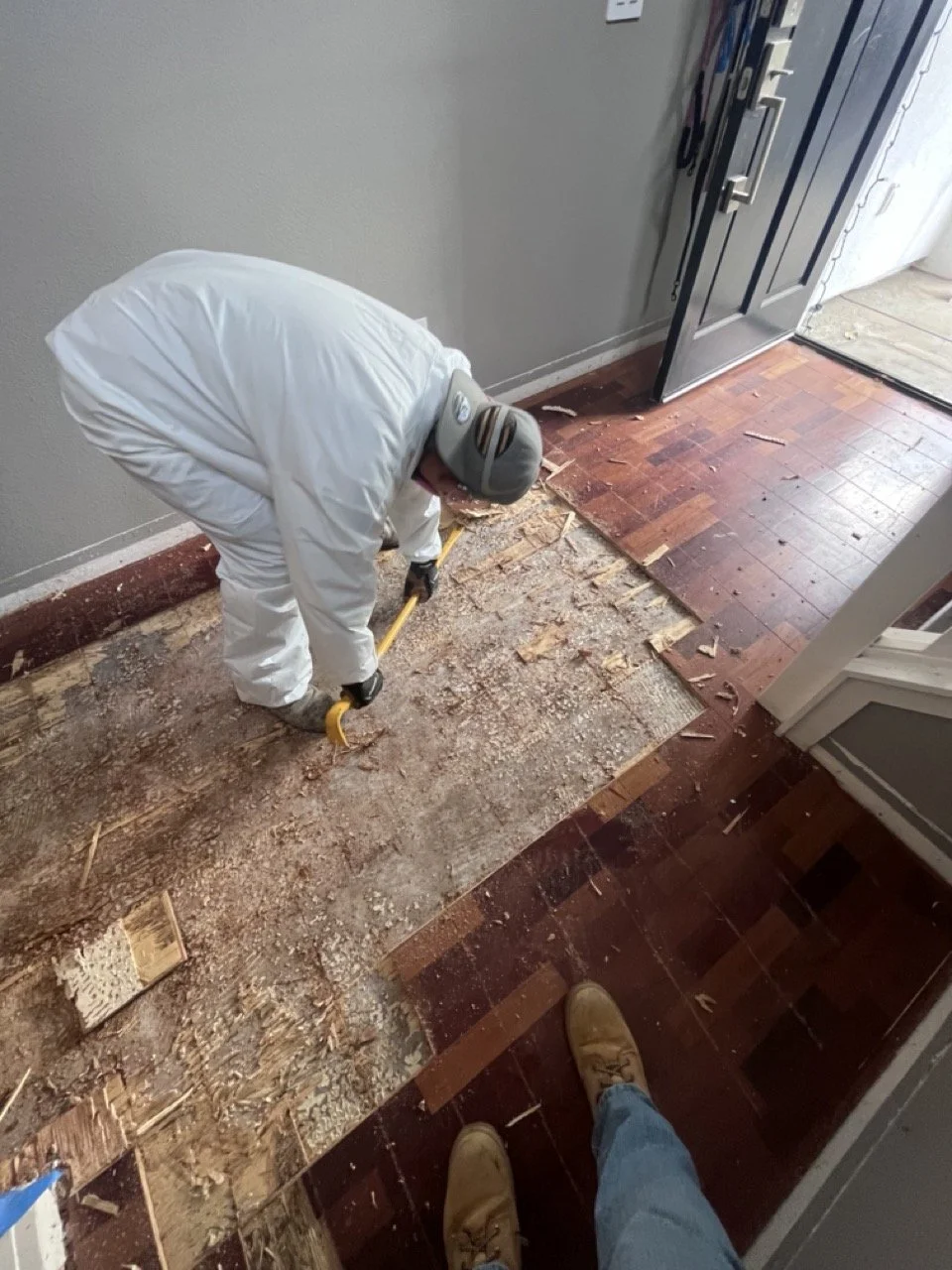
What Is Emergency Mitigation? Why Fast Response Matters After Water Damage
Emergency mitigation is the immediate process of preventing additional damage to a property after water damage, flooding, fire damage, storm damage, sewage backups, or other property emergencies occur. The primary purpose of mitigation is to stabilize the property quickly, reduce ongoing structural deterioration, minimize safety risks, and prevent secondary damage from developing before full restoration and reconstruction begin.
For homeowners searching for emergency mitigation, emergency water extraction, flood cleanup, structural drying, or water damage restoration in Southern California, understanding the role of mitigation is critical because the speed of response often determines the overall severity of the damage and the long-term restoration costs that follow.
One of the biggest misconceptions homeowners and property owners have is confusing mitigation with reconstruction or repair work. Mitigation is not the rebuilding phase. It is the emergency stabilization phase that happens immediately after the damage occurs. The goal is to stop the situation from getting worse before reconstruction and repairs begin.
When flooding, burst pipes, roof leaks, slab leaks, appliance failures, or storm damage occur, water and moisture begin affecting structural materials almost immediately. Drywall, insulation, wood framing, cabinetry, flooring systems, ceilings, and subfloors absorb moisture quickly. The longer moisture remains trapped inside the structure, the more severe the damage becomes.
In many cases, mold growth can begin developing within 24 to 48 hours after water exposure. This is one of the main reasons emergency mitigation is considered one of the most important stages of the entire restoration process. Fast mitigation response helps reduce the likelihood of mold contamination, structural weakening, and long-term property deterioration.
Emergency mitigation services typically include emergency water extraction, structural drying, moisture detection, flood cleanup, sewage cleanup, roof tarping, board-up services, temporary structural stabilization, debris removal, containment procedures, mold prevention, smoke mitigation, and controlled demolition of unsalvageable materials. The purpose of these services is to immediately stabilize the environment and prevent the spread of additional damage throughout the property.
Water damage mitigation begins by identifying and stopping the source of water intrusion whenever possible. Burst pipes, overflowing appliances, leaking roofs, slab leaks, sewage backups, and storm-related flooding all require immediate intervention to prevent additional water from continuing to spread through the structure. Once the source is controlled, restoration professionals begin emergency water extraction and structural drying procedures using industrial-grade equipment designed specifically for mitigation work.
Professional mitigation teams use commercial extraction systems, industrial dehumidifiers, high-velocity air movers, thermal imaging cameras, moisture meters, and moisture monitoring equipment to remove trapped moisture from walls, ceilings, insulation, flooring systems, cabinetry, and hidden structural cavities. One of the most important aspects of mitigation is identifying hidden moisture that may not be visible on the surface. Many areas may appear dry visually while significant moisture remains trapped behind walls or beneath flooring systems.
Without proper mitigation and professional drying procedures, hidden moisture often leads to secondary damage throughout the property. This may include mold growth, drywall deterioration, flooring failure, ceiling collapse, odor contamination, insulation damage, warped structural materials, and worsening indoor air quality issues. Delayed response frequently results in significantly larger reconstruction costs later.
Emergency mitigation is equally important after fire damage occurs. Fire mitigation may involve emergency board-up services, roof tarping, smoke mitigation, debris stabilization, odor control, and water extraction from firefighting efforts. Even after the fire itself is extinguished, smoke, soot, moisture, and structural instability continue damaging the property if mitigation does not begin quickly.
One of the most overlooked aspects of mitigation is the role it plays during the insurance claims process. Insurance companies generally expect homeowners to take reasonable steps to reduce additional avoidable damage after an emergency occurs. Fast professional mitigation helps document the loss properly, establish moisture readings, provide restoration records, and reduce complications during insurance restoration claims. Proper mitigation documentation can become extremely important during claim evaluation and approval.
Many homeowners attempt to handle water damage cleanup themselves using household fans, towels, or basic drying methods without realizing that hidden moisture continues spreading inside the structure. Unfortunately, surface drying alone is rarely enough to fully stabilize the property after significant water intrusion. Moisture trapped inside wall cavities, insulation, subfloors, and ceilings often remains untreated without professional mitigation equipment and moisture detection technology.
Delayed mitigation frequently leads to:
Mold contamination
Structural weakening
Subfloor deterioration
Flooring replacement
Drywall failure
Persistent odors
Expanded demolition
Indoor air quality problems
Increased reconstruction costs
Longer restoration timelines
Professional emergency mitigation is designed to reduce these risks while preparing the property for the next phases of restoration and reconstruction. Once mitigation and structural drying are complete, reconstruction work such as drywall replacement, flooring installation, painting, cabinetry repairs, framing repairs, and finish work can begin safely and properly.
At Vanguard Restoration, we provide emergency mitigation, water extraction, structural drying, flood cleanup, mold remediation, fire damage restoration, reconstruction, and restoration services throughout Southern California. Our team focuses on rapid emergency response, professional moisture detection, and minimizing long-term structural damage after property emergencies occur.
Fast mitigation response is one of the most important factors in reducing restoration costs, preventing mold growth, protecting structural materials, improving indoor air quality, and restoring properties safely after water damage or other property emergencies occur.