
Smoke Restoration
Smoke Damage Restoration
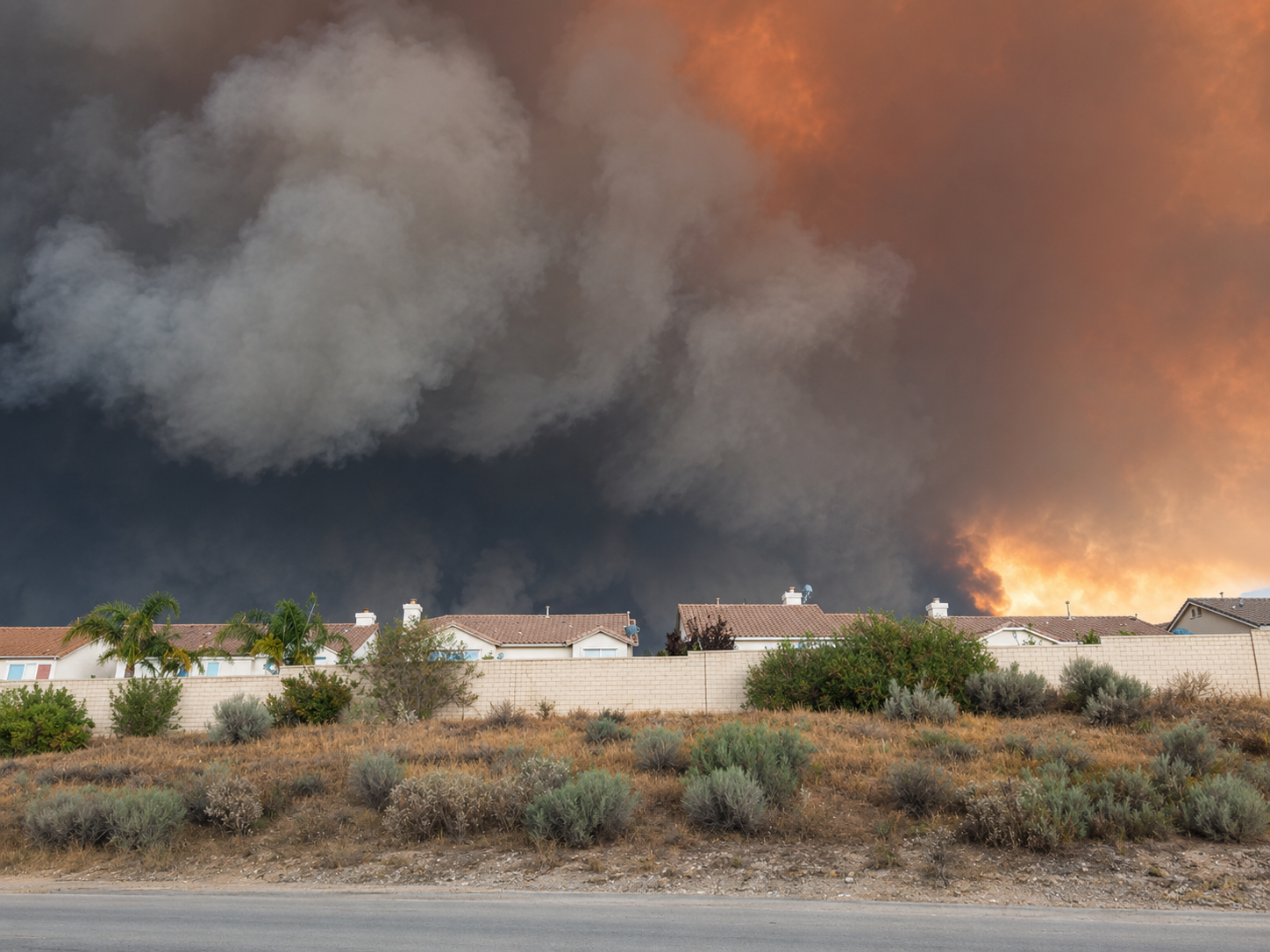
Most people think of smoke damage as the result of a building fire. But most smoke damage is actually caused by fires located near a residence or business, such as a wildfire, cooking fire, or a nearby building fire. Soot and smoke residue can cause serious health issues and long-term property damage if not properly cleaned and removed.
Clearing the Air, Restoring Your Space

Smoke carries soot, which is a mixture of extremely fine black particles that result from incomplete combustion. It's primarily made up of carbon, but can also contain trace levels of metal dust, chemicals, PCBs, and several other carcinogens. Soot is different from charcoal and other byproducts of combustion because it is so fine. Soot is far smaller than dust, mold, and dirt particles, allowing for entry into the lungs as well as porous belongings.
Soot is extremely dangerous to humans and pets because of its small size. It can very easily be inhaled into the small passageways of the lungs. Prolonged exposure to soot has ties to respiratory illnesses, heart disease, and cancer. After excessive smoke or soot entry, "soot tags" or commonly known "soot webs" can be seen throughout various entry points. Vanguard Environmental and Restoration's goal is to remove all obvious and not so obvious Smoke Damage.
The goal of the Smoke Damage restoration process is to transform a smoke damaged structure with soot into an environment which is clean, safe, and free of unpleasant odors. Although most soot looks similar, some types can be harder to clean or cause more intense odors. Its high acidic nature can cause discoloration in paints and lacquers and long-term presence can also play a role in lingering smoke odors.
Smoke damage can cause secondary effects to individuals who have respiratory issues, compromised immune systems, health sensitivities, or may cause deeper issues. Professional removal is essential to ensure the safety of everyone in the property.


Typically, the removal of soot and smoke odors is achieved by the deep cleaning of the structure and the affected contents which must be returned to its pre-smoke damaged condition. Within the affected structure, cleaning of heating and cooling air duct systems (HVAC), walls, ceilings, all floors, and carpets is conducted using ecological friendly and toxic free solvents which are safe for residences and pets. In certain situations, repainting of affected areas may be required, whether its cabinets, walls, or ceilings.
Most insurance policies will cover the costs of Smoke Damage Restoration and the cleaning of contents to remove all smoke and soot residue to its pre-existing condition, giving all residents the peace of mind that their environment is safe, clean, and deodorized.
Dealing with Smoke Damage?
Whether from a wildfire, a nearby building fire, or a kitchen incident, Vanguard's IICRC certified team removes all soot, cleans your HVAC system, and restores your property to a safe, odor-free condition. Most services are covered by insurance.
Get a Free InspectionFrequently Asked Questions
-
Yes. In Southern California, smoke damage from nearby wildfires is increasingly common. Smoke from forest fires, cooking fires in neighboring units, or building fires in close proximity can deposit residue inside your home or business without flames ever touching your structure. Wildfire smoke during fire season can significantly affect indoor air quality and leave residue on surfaces, in HVAC systems, and on personal belongings.
-
Yes. Smoke residue contains toxic and carcinogenic compounds including formaldehyde, benzene, and polycyclic aromatic hydrocarbons. Prolonged exposure can cause respiratory irritation, headaches, nausea, and exacerbation of existing conditions like asthma and allergies. Children, elderly individuals, pregnant women, people with compromised immune systems, and pets are particularly vulnerable.
-
We strongly advise against it. Improper cleaning methods can permanently set soot stains into surfaces and drive residue deeper into materials. Different types of soot require different cleaning techniques and solutions. Using the wrong approach can make the damage worse and more costly to repair. Professional restoration technicians are trained to identify soot types and apply the correct methods for each surface and material.
-
Smoke odor penetrates into porous materials at a molecular level. Surface cleaning alone does not reach these embedded compounds. Professional deodorization uses specialized technologies including thermal fogging, ozone treatment, and hydroxyl generation to neutralize odor-causing compounds at the molecular level. Consumer-grade products only mask the odor temporarily without eliminating it.