What We Do in Santa Clarita
Comprehensive restoration and environmental services for every type of property damage. From emergency response to complete reconstruction, all under one roof.
Environmental and Restoration Services in The Santa Clarita Valley
The Santa Clarita Valley sits in a wildfire corridor, and the record is not distant history. The Sand Fire burned 41,432 acres east of the valley in July 2016 and destroyed at least 18 homes. The Tick Fire started on Tick Canyon Road in Canyon Country in October 2019, driven by Santa Ana winds, jumped State Route 14, destroyed 22 structures, and forced 40,000 people out of their homes in a matter of hours. In January 2025, while the Palisades and Eaton fires were still burning, the Hughes Fire ignited near Castaic Lake and grew from 50 acres to more than 5,000 in two hours, putting 31,000 people under evacuation.
The pattern those fires share is speed. Wind-driven fire moves through this valley faster than almost anywhere else in Los Angeles County, which means smoke and ash reach properties well outside the perimeter long before anyone is thinking about restoration. Homes in Valencia, Saugus, Newhall, Canyon Country, and Stevenson Ranch routinely take smoke damage from fires they never came close to, and that damage settles into HVAC systems, insulation, and soft goods where it stays until it is professionally treated.
The second half of the cycle is water. Burn scars in the canyons above the valley release mud and debris into the first heavy rains, and the same Santa Clarita properties that faced fire in October face debris flow risk in February. We respond throughout the SCV, and being based in Van Nuys puts our crews on the other side of the pass rather than across the county.
Restoration Resources for Santa Clarita Homeowners
Restoration in Santa Clarita
Region-specific challenges and what homeowners need to know
Restoration Challenges in the Santa Clarita Valley
Santa Clarita sits at the intersection of several environmental factors that create specific restoration demands found in few other Southern California communities. The Santa Clarita Valley is bordered by the Angeles National Forest to the east, the Sierra Pelona Mountains to the north, and the Santa Susana Mountains to the west, placing the entire community within a high-risk wildfire zone. The Placerita Canyon, Sand Canyon, and Soledad Canyon corridors act as natural wind tunnels during Santa Ana events, accelerating fire spread and carrying smoke and ash deep into residential neighborhoods miles from the fire line.
Wildfire Smoke Infiltration
During fire season, homes that are never directly threatened by flames can experience significant indoor air quality contamination as smoke and fine particulate matter (PM2.5) enter through HVAC systems, windows, doors, and gaps in the building envelope. The residue settles into carpet fibers, upholstery, ductwork, and porous building materials, continuing to off-gas volatile organic compounds long after outdoor air quality returns to normal.
Post-Fire Water Intrusion and Debris Flow
When fire strips vegetation from the slopes above residential areas, the exposed soil loses its ability to absorb rainfall. The first significant rain after a fire event can send water, mud, ash, and debris flowing downhill into homes, garages, and commercial properties. This type of damage combines water damage, contamination from fire byproducts, and structural impact from debris flow, requiring a multi-phase restoration approach.
Accelerated Mold Growth in Extreme Heat
Santa Clarita's dry heat, which regularly exceeds 95 to 100 degrees during summer months, accelerates the timeline for mold growth after water damage. The EPA states that mold can begin growing on wet building materials within 24 to 48 hours. In extreme heat, that window compresses toward 24 hours or less. Rapid professional response is critical in this climate.
Aging Plumbing in Older Neighborhoods
The valley's aging housing stock, particularly in Canyon Country and Saugus neighborhoods built in the 1960s through 1980s, presents additional restoration considerations. Galvanized steel pipes, polybutylene supply lines, and aging copper are prone to failure. When these systems fail inside wall cavities or under slab foundations, the water often goes undetected for days or weeks, expanding the scope well beyond the pipe repair.
Santa Clarita Restoration FAQs
Wildfire smoke carries fine particulate matter (PM2.5) and volatile organic compounds that infiltrate homes through HVAC systems, windows, doors, and gaps in the building envelope. During major fire events near the Santa Clarita Valley, indoor air quality can reach hazardous levels even in homes miles from the fire line. Professional air quality testing and remediation may be necessary, particularly for households with children, elderly residents, or individuals with respiratory conditions.
After a wildfire clears vegetation from the hillsides, the first significant rainfall can send water, mud, ash, and debris into homes below. Homeowners in hillside-adjacent areas should prepare before the rainy season by inspecting drainage systems, clearing debris channels, and knowing their emergency contact for board-up and mitigation services. If water or mud enters the structure, call a professional restoration company immediately.
Summer temperatures regularly exceed 95 to 100 degrees, which accelerates mold growth on wet building materials. The EPA states mold can begin growing within 24 to 48 hours. In extreme heat, that compresses toward 24 hours or less. Professional water extraction and structural drying should begin as soon as possible.
Yes. Many homes were built between the 1960s and 1980s with plumbing materials now beyond their expected lifespan, including galvanized steel pipes and polybutylene supply lines. Regular plumbing inspections and prompt response to any signs of moisture can prevent minor leaks from becoming major restoration projects.
Yes. Vanguard Environmental & Restoration provides 24/7 emergency response across the entire Santa Clarita Valley, including Canyon Country, Saugus, Valencia, Newhall, Stevenson Ranch, Castaic, and Agua Dulce. Call 1-800-571-5021 any time, day or night, including weekends and holidays.
Wildfire Smoke Damage in Your Home
What Santa Clarita homeowners need to know
You can see the smoke from your backyard. The hillside above Placerita Canyon is burning, or the Angeles National Forest is on fire again, or a blaze in Castaic has sent a column of smoke drifting south across the Santa Clarita Valley. The flames are miles away. Your property is not in the evacuation zone. But when you walk inside, the air smells wrong.
There is a haze in the living room that was not there this morning. The surfaces feel gritty. Your throat is scratchy and your eyes are irritated. This is wildfire smoke damage, and it does not require a single flame to touch your property.
How Wildfire Smoke Enters Your Home
Wildfire smoke is a complex mixture of fine particulate matter (PM2.5), carbon monoxide, volatile organic compounds, formaldehyde, and dozens of other chemical compounds. The particles are 2.5 micrometers or less, roughly 30 times smaller than a human hair, and they penetrate building envelopes that would stop dust, pollen, and most other airborne contaminants.
Smoke enters through HVAC return air intakes, gaps around windows and doors, plumbing and electrical penetrations, dryer vents, bathroom exhaust fans, and any gap in the building envelope. Standard HVAC filters (MERV 8 to MERV 10) are not designed to capture PM2.5 particles.
In Santa Clarita, where Santa Ana winds can push smoke through the valley at 30 to 50 miles per hour, infiltration pressure is significantly higher than in calm conditions.
What Smoke Does Once It Is Inside
Smoke does not dissipate when you open windows after the fire passes. PM2.5 particles settle into every porous surface: carpet, upholstery, HVAC ductwork, drywall, curtains, bedding, clothing, and books. These materials become secondary contamination sources, releasing absorbed compounds every time the HVAC cycles, carpet is walked on, or furniture is used.
The contaminants migrated from the air into the materials inside your home. They continue off-gassing volatile organic compounds for weeks or months after the fire event.
The Health Risks
The EPA identifies PM2.5 as a significant health hazard. These particles penetrate deep into the lungs and can enter the bloodstream, causing throat irritation, coughing, headaches, eye irritation, and shortness of breath. Prolonged exposure can aggravate asthma, trigger bronchitis, and worsen cardiovascular conditions. Children, elderly adults, pregnant women, and anyone with pre-existing conditions are especially vulnerable.
What to Do During a Smoke Event
Protect Your Indoor Air
Close all windows and doors. Switch HVAC to recirculate mode with a MERV 13 or higher filter. Seal gaps under doors with towels. Do not use exhaust fans, dryer vents, or range hoods that pull outside air in. Run a portable HEPA air purifier continuously. Do not burn candles or use gas stoves for heating.
What to Do After the Smoke Clears
Ventilate the home. Replace the HVAC filter. If you experienced heavy indoor smoke exposure (visible haze, soot on surfaces, persistent odor), professional assessment is warranted. A restoration company can conduct air quality testing, inspect ductwork, evaluate porous materials, and recommend the appropriate level of remediation.
Insurance Coverage
Most standard homeowners policies cover smoke damage from wildfires. Document visible soot, keep a symptom log, save the HVAC filter as evidence, and request professional air quality testing to support your claim.
Wildfire Smoke FAQs
Yes. PM2.5 particles penetrate building envelopes through HVAC systems, window gaps, and plumbing penetrations. Santa Clarita homes experience significant contamination from fires in the Angeles National Forest, Placerita Canyon, and Castaic without any flames reaching the property.
Ventilation helps clear airborne particles but does not address contamination embedded in carpet, upholstery, ductwork, and other porous materials. These continue releasing compounds after ventilation.
The EPA recommends MERV 13 or higher for smoke particle filtration. Verify your system can handle the increased airflow resistance before installing.
Light contamination: two to four days. Significant contamination with persistent odor: one to two weeks of comprehensive remediation including surface cleaning, HVAC decontamination, and professional deodorization.
What to Do When a Pipe Bursts in Your Wall
A step-by-step guide from first discovery through full restoration
You hear it before you see it. A hissing sound behind the drywall. A dark stain spreading across the paint. Water pooling at the base of a wall where no water should be. A pipe inside the wall has burst, and every minute it continues, the damage expands.
The First 10 Minutes: Stop the Water
Find and close your main water shutoff valve
In most Southern California homes, the main shutoff is near the front of the house where the water supply enters from the street, or near the water heater. Turn it off. You can live without water for a few hours. You cannot undo the damage from a pipe that continues running.
Once off, open a faucet at the lowest point to drain residual pressure.
The First 30 Minutes: Protect and Document
Move furniture, electronics, and valuables away from the affected area.
If water has reached electrical outlets, do not enter the area. Turn off the breaker from a dry location.
Photograph and video everything before cleaning. The water stain, pooling water, wet flooring, damaged contents, and the overall scene from multiple angles. This documentation is the foundation of your insurance claim.
Call a Professional, Then Your Insurance
Call the restoration company before the plumber. The restoration company stops the damage from getting worse. The plumber fixes the pipe. Both need to happen, but mitigation comes first.
File your insurance claim the same day. You do not need pre-approval for emergency mitigation. Most policies require you to take reasonable steps to prevent further damage.
The Restoration Process
Moisture meters and infrared thermal imaging map the full extent. The wet area is almost always larger than what is visible.
Truck-mounted or portable extraction equipment removes standing water. Wet carpet pad is removed and discarded.
Saturated drywall is cut and removed. Wet insulation is pulled. Baseboards and trim come off to expose the wall cavity for drying.
Industrial air movers and commercial dehumidifiers run continuously. Technicians take daily moisture readings.
Drying is verified by IICRC S500 standards. Then new drywall, insulation, baseboards, trim, paint, and flooring.
Why Older Southern California Homes Are Vulnerable
Many homes built between the 1950s and 1980s have galvanized steel pipes that corrode from the inside out, polybutylene supply lines that become brittle and crack, or copper pipes with pinhole leaks from electrolysis. These failures happen every day. The homeowners who fare best know where their shutoff valve is before they need it.
Pipe Burst FAQs
Usually near the front of the house where the supply enters from the street, or near the water heater. Gate valve (round handle) or ball valve (lever handle). Find it now.
Restoration company first. Shutting off the main valve stops the flow. The restoration company stops the damage from getting worse. The plumber repairs the pipe, which can happen simultaneously or after mitigation is underway.
Most standard policies cover sudden and accidental water damage from burst pipes and appliance malfunctions. They typically exclude gradual leaks and deferred maintenance. File the claim same day.
Three to five days for a standard pipe burst. More extensive damage or specialty materials may require five to ten days. Drying is verified by moisture meter readings, not visual appearance.
Fans may dry the surface but cannot dry framing, insulation, and the back side of drywall inside the cavity. Without moisture meters, you cannot verify dryness. Trapped moisture guarantees mold growth.
Mold After Water Damage
How fast it grows and what to do about it
The water damage is cleaned up. The fans have been running for a couple of days. Everything looks dry. Three weeks later, you notice a musty smell. A dark spot appears on the drywall. You pull back the baseboard and find mold spreading across the framing and insulation. It was growing the entire time.
The Mold Growth Timeline
Mold needs three things: moisture, a food source (cellulose in drywall, wood, carpet backing), and warmth (60 to 80 degrees). The only variable you control is moisture.
Invisible colonization begins on wet porous materials. No spots, no smell, no visible indication.
Colonies expand and produce additional spores. In warm conditions, growth accelerates toward 24 hours.
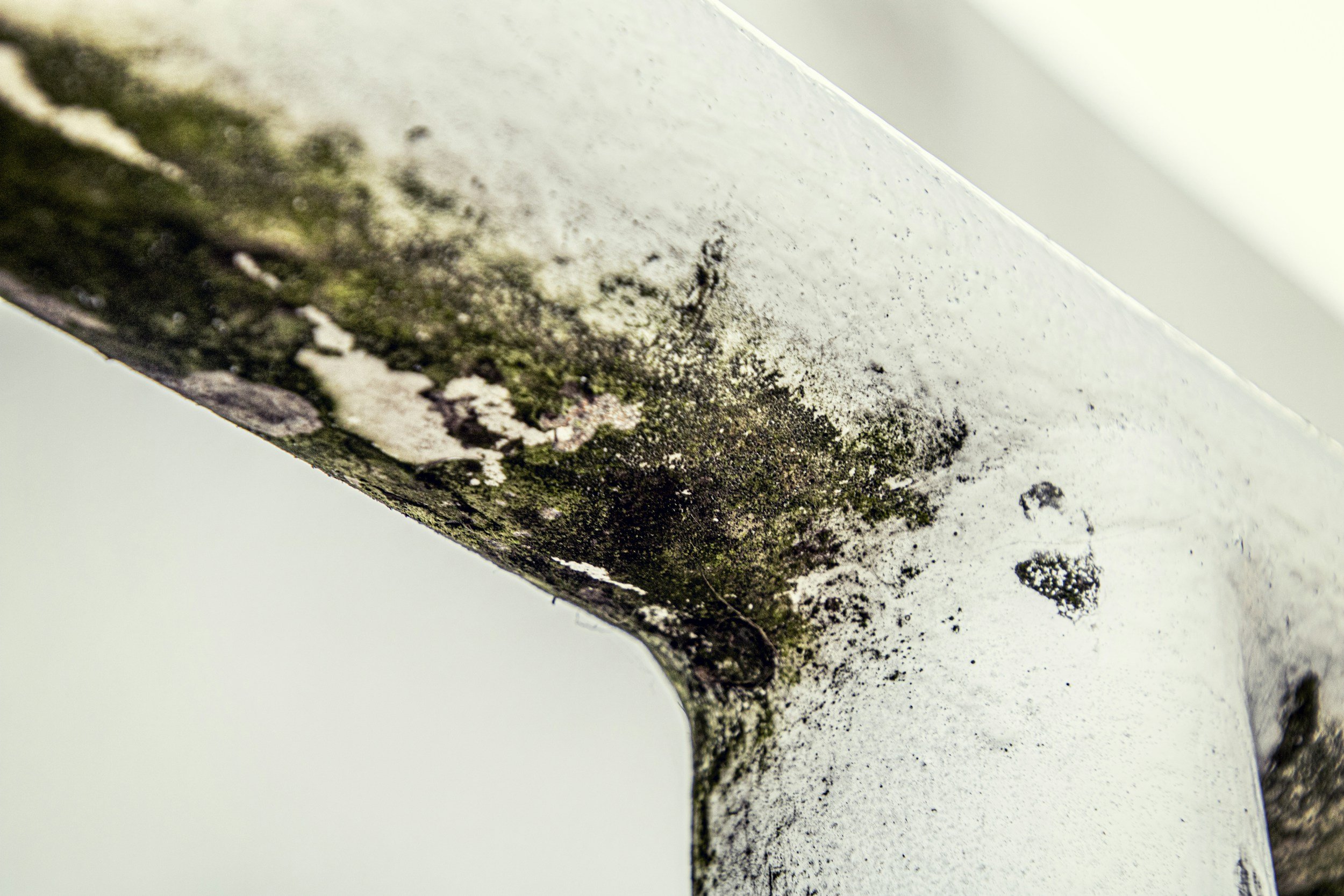
Visible colonies appear as dark spots. Musty smell becomes distinct. Materials now need removal, not just drying.
Aggressive growth. Mold spreads through materials. Airborne spore counts rise significantly.
Mold penetrates framing lumber and structural materials. Stachybotrys chartarum colonizes the paper facing of wet drywall.
Why Southern California's Climate Matters
Dry outdoor air means fewer ambient mold issues, but warm indoor temperatures accelerate growth when water damage occurs. In the Santa Clarita Valley at 95 to 100+ degrees, conditions inside a wet wall cavity are ideal: warm, dark, humid, cellulose-rich. The 24 to 48 hour window compresses toward 24 hours. Coastal properties face higher ambient humidity. Inland Empire homes face freeze-thaw moisture trapping in winter.
Why DIY Drying Fails
Without moisture meters that measure content inside materials, there is no way to know whether the structure is actually dry. Consumer dehumidifiers extract 2 to 4 gallons per day. Commercial LGR units extract 15 to 30 gallons. The math does not work.
When mold has already begun growing, disturbing it without containment spreads spores throughout the home. Homeowners who pull moldy drywall without containment often discover mold in areas that were never wet.
Professional Mold Remediation
Under IICRC S520: containment barriers isolate the work area, negative air machines with HEPA filtration prevent spore migration, mold-affected porous materials are removed in sealed bags, non-porous surfaces are HEPA vacuumed and treated with antimicrobials, and post-remediation air quality testing verifies the space is safe.
Prevention
Remove moisture before mold colonizes
Professional water extraction and structural drying should begin within 24 hours. Do not wait to see if it dries on its own. Do not close up walls until moisture meters confirm verified dryness. The homeowners who avoid mold problems are not lucky. They are fast.
Mold FAQs
Within 24 to 48 hours per the EPA and CDC. In warm Southern California conditions, growth can begin within 24 hours. Visible colonies appear at 48 to 72 hours.
Fans dry the surface but not materials inside walls. Without professional equipment and moisture verification, you cannot confirm dryness. Professional drying within 24 hours is the most reliable prevention.
If mold results from a covered event like a burst pipe, most policies cover remediation as part of the water damage claim. Gradual leaks or deferred maintenance may be excluded.
Bleach kills surface mold on tile but does not penetrate porous materials where roots grow. Professional remediation uses containment, HEPA filtration, material removal, and antimicrobial treatment.
Persistent musty odor, drywall discoloration, worsening respiratory symptoms, and a history of water damage. Professional inspection with moisture meters and infrared imaging identifies hidden growth without demolition.
Vanguard Restoration Services
Click any service to learn more
Serving the Santa Clarita Valley
24/7 emergency response across every SCV community