What We Do in San Gabriel Valley
Comprehensive restoration and environmental services for every type of property damage. From emergency response to complete reconstruction, all under one roof.
Environmental and Restoration Services in San Gabriel Valley
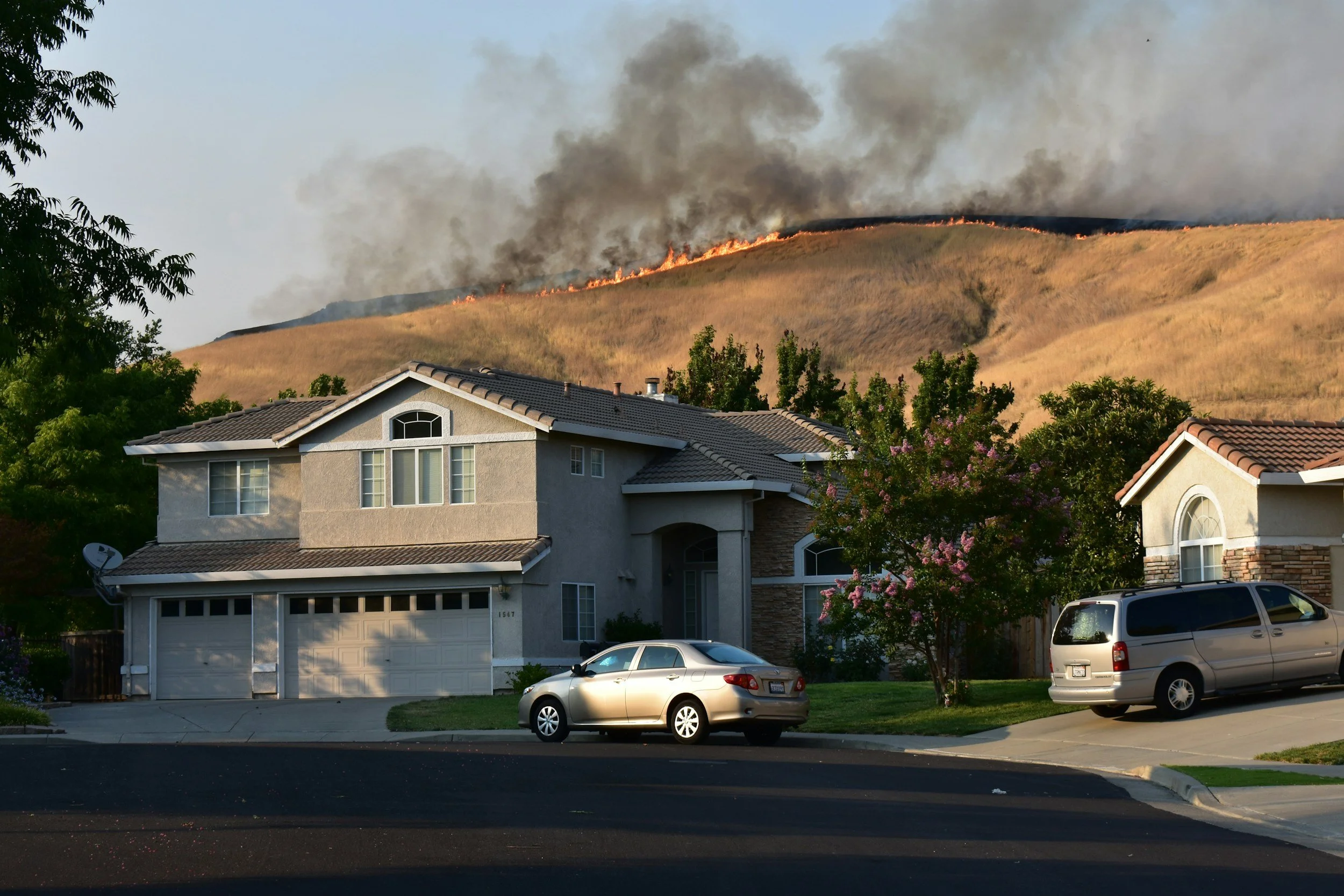
The Eaton Fire began in Eaton Canyon on the evening of January 7, 2025, and a Santa Ana wind event drove it directly into the foothill communities below. It burned 14,021 acres, destroyed 9,418 structures, and killed 19 people, making it the second most destructive wildfire in California history. Altadena took the worst of it.
Recovery in the San Gabriel Valley is not finished, and the risk did not end when the fire was contained. The USGS assessed the Eaton burn scar as carrying high debris flow hazard, and Cal OES deployed more than 630,000 feet of watershed protection materials across the Eaton and Palisades scars ahead of the first significant rain. For properties below Altadena, Pasadena, Sierra Madre, and the foothill line, storm season now carries a risk it did not carry before 2025.
There is also a category of damage that gets overlooked in a fire this size. Thousands of homes that never burned were still contaminated, because smoke residue and ash traveled far beyond the fire perimeter and settled into HVAC systems, insulation, carpet, and soft goods. Those properties often look fine and are not. We test, clean, deodorize, and treat them, and we document the damage to the standard insurance carriers require.
24/7 Restoration & General Contracting in the San Gabriel Valley
Water damage, fire damage, smoke and soot, mold remediation, emergency mitigation, sewage cleanup, repairs, reconstruction, and full general contracting for residential and commercial properties from Pasadena and Altadena through Arcadia, Monrovia, Glendora, Azusa, West Covina, and communities throughout the San Gabriel Valley.
The San Gabriel Valley sits at the base of the San Gabriel Mountains and Angeles National Forest, stretching from Pasadena and Altadena in the west through Arcadia, Monrovia, and Glendora to the east, and south through Alhambra, El Monte, West Covina, and the communities along the I-10 and I-210 corridors. The valley contains one of the most diverse mixes of housing stock in Southern California: century-old Craftsman bungalows in Pasadena, mid-century ranch homes in Arcadia and Temple City, postwar tract housing in West Covina and Covina, hillside properties in the foothills, and newer developments alongside established commercial corridors.
That architectural diversity creates a wide range of restoration scenarios. Aging plumbing in older homes can fail inside wall cavities and beneath slab foundations without visible warning. Hillside and foothill properties from Altadena through Sierra Madre, Monrovia, Bradbury, and Glendora face wildfire and smoke exposure from the Angeles National Forest. Summer temperatures that regularly exceed 100 degrees across the valley compress the mold prevention window after any water event. And the valley's dense mix of apartments, condominiums, commercial buildings, and single-family homes means every property type requires its own restoration approach.
Vanguard Environmental & Restoration provides 24/7 emergency response, professional restoration, and licensed general contracting services for residential and commercial properties throughout the San Gabriel Valley.
Why San Gabriel Valley Properties Face Specific Restoration Challenges
Wildfire & Smoke From the San Gabriel Mountains
Foothill communities from Altadena and Pasadena through Sierra Madre, Monrovia, Duarte, Bradbury, Azusa, and Glendora sit directly below the Angeles National Forest. The 2009 Station Fire, 2016 San Gabriel Complex Fire, and the January 2025 Eaton Fire demonstrated the vulnerability of these communities. Smoke, soot, and ash infiltrate properties miles from the fire line through HVAC systems, window gaps, and building envelope penetrations. Post-fire rainfall can create debris flow and water intrusion risks on burned slopes.
Fire & Smoke Restoration →Craftsman & Mid-Century Plumbing Failures
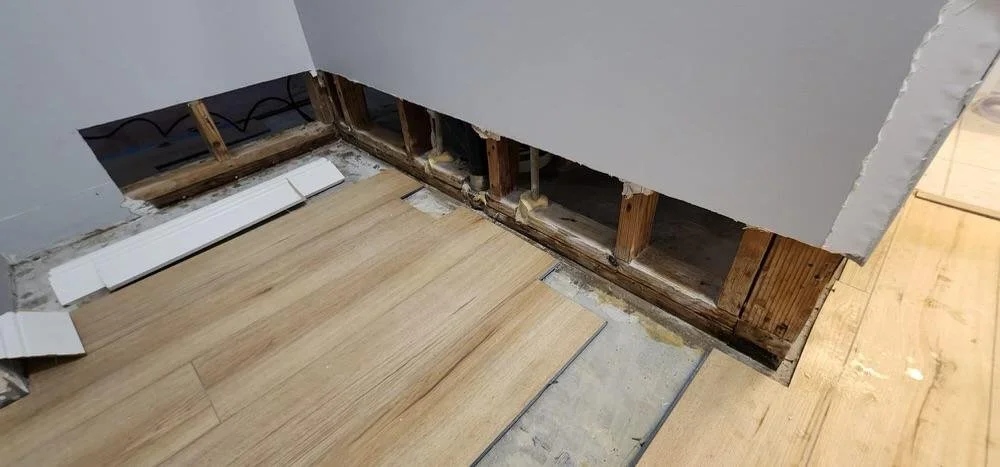
Pasadena, South Pasadena, Alhambra, San Gabriel, Arcadia, Temple City, and Monrovia contain some of the oldest housing stock in the San Gabriel Valley. Homes built from the 1900s through 1970s commonly have galvanized steel supply lines, cast iron drain pipes, and aging copper that corrode from the inside out. Slab-foundation plumbing failures go undetected until flooring buckles, baseboards darken, or a musty odor develops.
Water Damage Restoration →Summer Heat & Accelerated Mold Growth
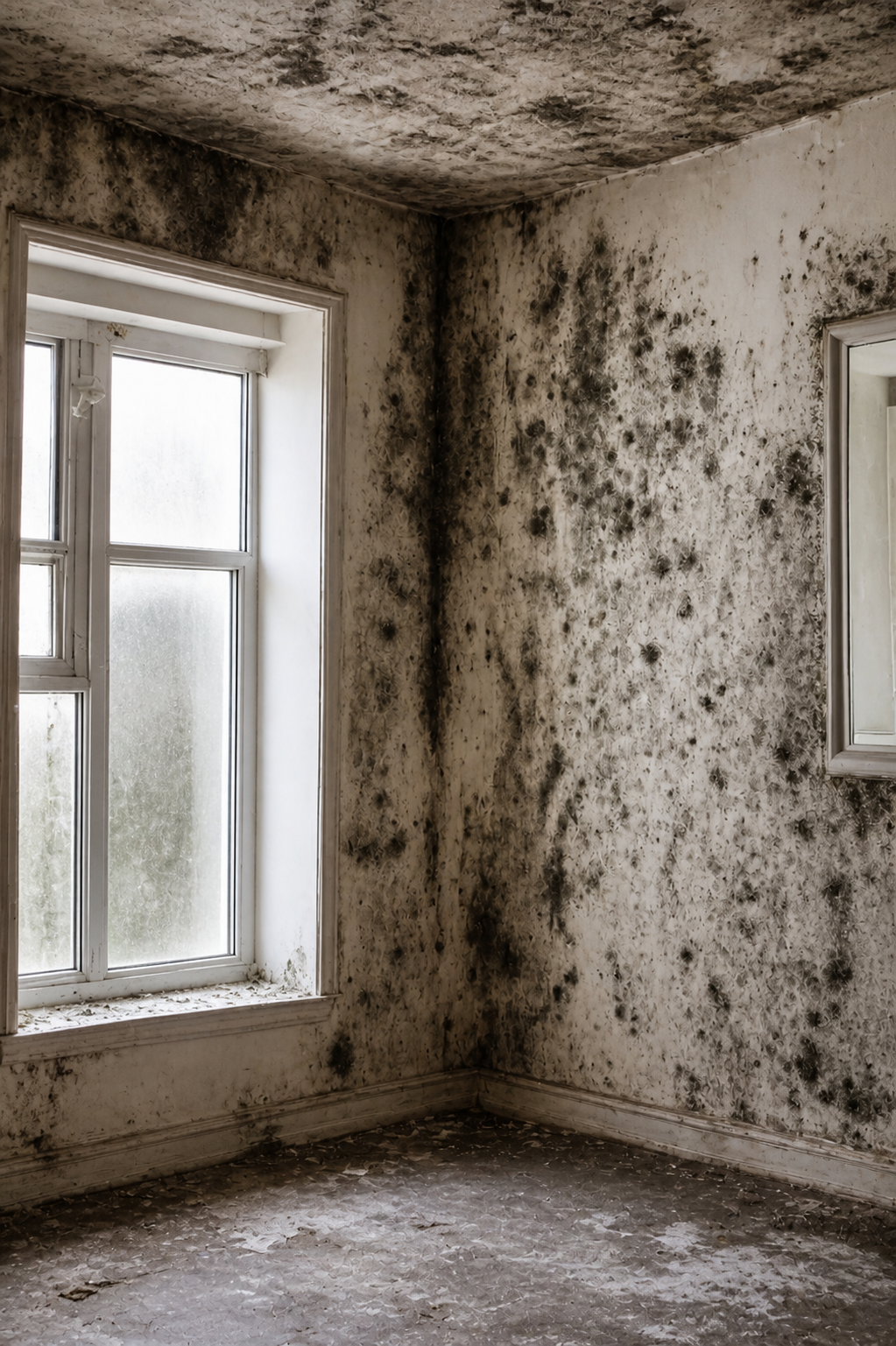
The San Gabriel Valley regularly exceeds 100 to 110 degrees during summer months, particularly in inland communities from Azusa and Glendora through West Covina, Covina, and Baldwin Park. The EPA states mold can begin growing within 24 to 48 hours on wet materials. In SGV summer heat, interior wall cavities create ideal conditions for rapid mold colonization, compressing that window toward 24 hours. Delayed response to a water loss in summer almost always results in secondary mold.
Mold Remediation →Multifamily & Apartment Density
The San Gabriel Valley contains large concentrations of apartment buildings, condominiums, and multifamily properties, particularly along the I-10 corridor through Alhambra, El Monte, Baldwin Park, and West Covina, and in the denser neighborhoods of Pasadena and Monrovia. Water damage in one unit crosses boundaries through shared walls, ceilings, and plumbing chases, requiring coordination with property managers, HOAs, multiple insurers, and displaced tenants.
Contact Vanguard →Post-Fire Rainfall & Debris Flow
When wildfire strips vegetation from the San Gabriel Mountain slopes, subsequent rainfall can send water, mud, and debris into foothill neighborhoods. Properties that survived the fire itself may face water intrusion, foundation exposure, landscape destruction, and sediment damage during subsequent storm events. The restoration scope for post-fire rain damage can differ significantly from the original fire restoration.
Emergency Services →Commercial & Institutional Properties
The San Gabriel Valley's commercial landscape includes retail corridors along Huntington Drive and the I-10/I-210 freeway communities, medical facilities, educational institutions, restaurants, office buildings, and industrial properties. Commercial losses require rapid mitigation to minimize business disruption and thorough documentation for insurance purposes.
Reconstruction →Restoration & Construction Services in the San Gabriel Valley
Every major restoration and construction service under one roof. Select any service for details.
General Contracting & Reconstruction
When restoration is complete but the property still needs to be rebuilt, Vanguard's general contracting team continues the project. One company from emergency mitigation through final walk-through.
Where We Serve in the San Gabriel Valley
Pasadena & Western SGV
Historic Craftsman neighborhoods, institutional properties, commercial corridors along Colorado Blvd, and dense multifamily housing. Oldest housing stock in the valley with aging plumbing systems. Altadena faces direct wildfire exposure from the Angeles National Forest, most recently demonstrated by the January 2025 Eaton Fire.
Foothill Communities
Communities directly below the San Gabriel Mountains where wildfire smoke, soot, ash, and post-fire debris flow are recurring restoration concerns. Mid-century housing with aging infrastructure. Summer heat exceeding 100 degrees compresses mold prevention timelines after water events.
Central SGV
Mix of residential neighborhoods, apartment complexes, commercial properties, and restaurants. Significant multifamily density along the I-10 corridor. Aging plumbing in 1950s-1970s housing, appliance failures, and roof leaks are common water damage sources. Restoration frequently requires multi-unit coordination.
East SGV
Suburban residential communities, commercial corridors, and growing multifamily development. Properties range from 1960s tract homes to newer hillside developments. Summer heat, aging infrastructure, and the mix of property types create diverse restoration needs across this area.
Residential & Commercial Restoration
Residential Properties
Historic Craftsman homes, mid-century ranch houses, hillside properties, condominiums, townhomes, apartments, and new construction throughout the San Gabriel Valley. Whether the property is a 1920s Pasadena bungalow with knob-and-tube wiring or a newer Glendora development, the restoration approach is based on the actual building conditions and damage.
Commercial & Institutional
Retail centers, restaurants, medical offices, educational facilities, office buildings, warehouses, and mixed-use properties. The San Gabriel Valley's commercial corridors along Colorado Blvd, Huntington Drive, the I-10 and I-210 communities, and throughout the valley's business districts require fast mitigation, minimal disruption, and thorough insurance documentation.
San Gabriel Valley Restoration Resources
Wildfire Smoke & Fire Damage in the San Gabriel Valley Foothills: Altadena, Pasadena, Monrovia & Beyond
How fires in the Angeles National Forest send smoke into foothill communities, what to check after a fire event, and when post-fire rain creates additional restoration needs.
Read the Guide → Water DamageWater Damage in San Gabriel Valley's Older Homes: Craftsman, Mid-Century & Slab-Foundation Properties
Galvanized pipes, cast iron drains, and slab foundations hide plumbing failures until damage has spread. What homeowners in Pasadena, Arcadia, and Temple City need to know.
Read the Guide → Mold & HeatMold After Water Damage in the San Gabriel Valley: Why Summer Heat Compresses Your Response Window
When temperatures exceed 100 degrees from Azusa to West Covina, the mold prevention timeline after any water event shrinks dramatically.
Read the Guide →San Gabriel Valley Restoration FAQs
Yes. Vanguard provides 24/7 emergency restoration services throughout the San Gabriel Valley for water, fire, smoke, storm, sewage, and other qualifying property-loss emergencies. Our team responds to foothill communities, central valley cities, and commercial locations across the SGV. Call 1-800-571-5021 for emergency assistance.
Yes. Wildfire smoke contains PM2.5 particles and volatile organic compounds that infiltrate buildings through HVAC systems, window gaps, and building envelope penetrations. Foothill communities from Altadena and Pasadena through Sierra Madre, Monrovia, Duarte, Azusa, and Glendora are most exposed during fire events in the Angeles National Forest. The January 2025 Eaton Fire and 2009 Station Fire demonstrated how extensively smoke can affect properties well beyond the fire perimeter.
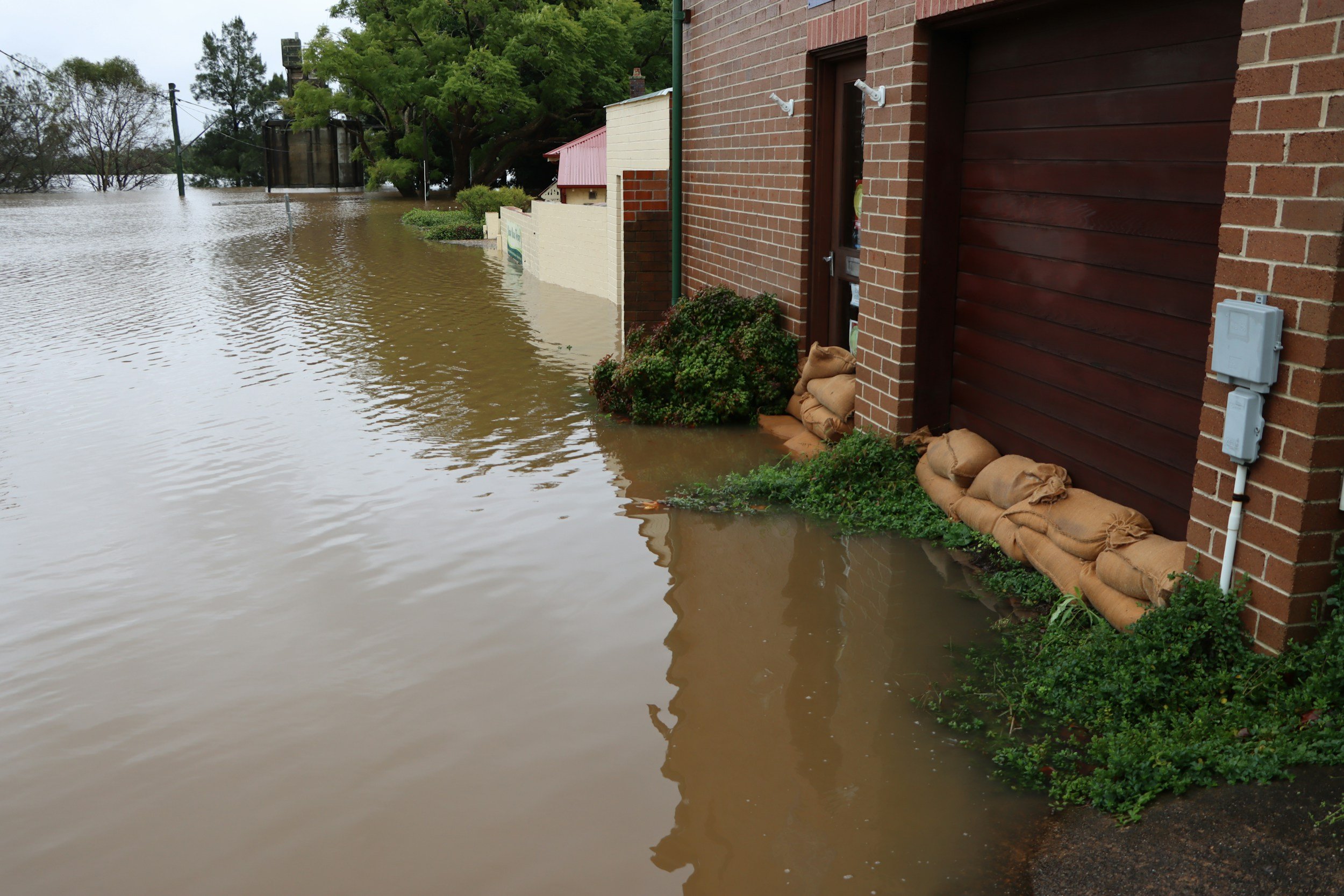
Yes. When wildfire strips vegetation from mountain slopes, subsequent rainfall can send water, mud, and debris into foothill neighborhoods below. Properties that survived the fire may face water intrusion, foundation exposure, and sediment damage during storm events. The restoration scope for post-fire rain damage can differ significantly from the original fire loss and may require separate mitigation.
Yes. Homes built before 1980 in Pasadena, South Pasadena, Alhambra, San Gabriel, Arcadia, Temple City, and Monrovia commonly have galvanized steel supply lines, cast iron drain pipes, and in some cases knob-and-tube wiring and asbestos-containing materials. These plumbing systems corrode, crack, and fail with increasing frequency. Leaks inside wall cavities and beneath slab foundations often go undetected until flooring buckles, baseboards darken, or a musty odor develops.
The EPA states mold can begin growing on wet building materials within 24 to 48 hours. In the San Gabriel Valley's summer heat, where communities from Azusa through West Covina regularly exceed 100 to 110 degrees, that window compresses toward 24 hours. Rapid professional water extraction and structural drying is critical to prevent a water damage project from becoming a combined water and mold remediation project.
Yes. The San Gabriel Valley has significant apartment and multifamily density, particularly along the I-10 corridor through Alhambra, El Monte, Baldwin Park, and West Covina. Multi-unit restoration requires coordination with property managers, HOA boards, individual unit owners, and often multiple insurance carriers when water, fire, or smoke damage crosses unit boundaries.
Yes. As a licensed California general contractor (CSLB #1096150), Vanguard provides emergency mitigation, restoration, and full construction services. One team handles the entire project from water extraction and drying through framing, electrical, plumbing, drywall, flooring, cabinets, painting, and final completion.
Framing and structural work, electrical, plumbing, drywall installation and repair, cabinet installation, finish carpentry, painting and trim, flooring installation, interior repairs, remodeling, reconstruction, and new-build construction. All performed by our licensed in-house team.
Yes. We serve retail centers, restaurants, medical offices, educational facilities, office buildings, warehouses, and mixed-use properties throughout the SGV. Commercial restoration requires rapid response to minimize revenue loss, multi-stakeholder coordination, and thorough insurance documentation.
Vanguard serves properties throughout the San Gabriel Valley including Pasadena, Altadena, South Pasadena, San Marino, Arcadia, Monrovia, Sierra Madre, Duarte, Bradbury, Azusa, Glendora, Claremont, La Verne, San Dimas, Covina, West Covina, Charter Oak, La Puente, Hacienda Heights, Rowland Heights, Diamond Bar, Walnut, Baldwin Park, El Monte, South El Monte, Rosemead, Temple City, Alhambra, San Gabriel, and surrounding communities.
Yes. Vanguard has extensive experience working with insurance carriers and adjusters throughout the claims process. We provide the documentation, scope of work, and technical communication that property insurance claims require. Coverage depends on the individual policy, cause of loss, and claim circumstances.
Stop the water source if safe. Avoid areas where water may have reached electrical outlets. Move valuables away from the wet area. Photograph visible damage before cleanup. Call a professional restoration company immediately. Do not wait for insurance pre-approval, as most policies require you to take reasonable steps to prevent further damage.